

Rafaël Rozendaal
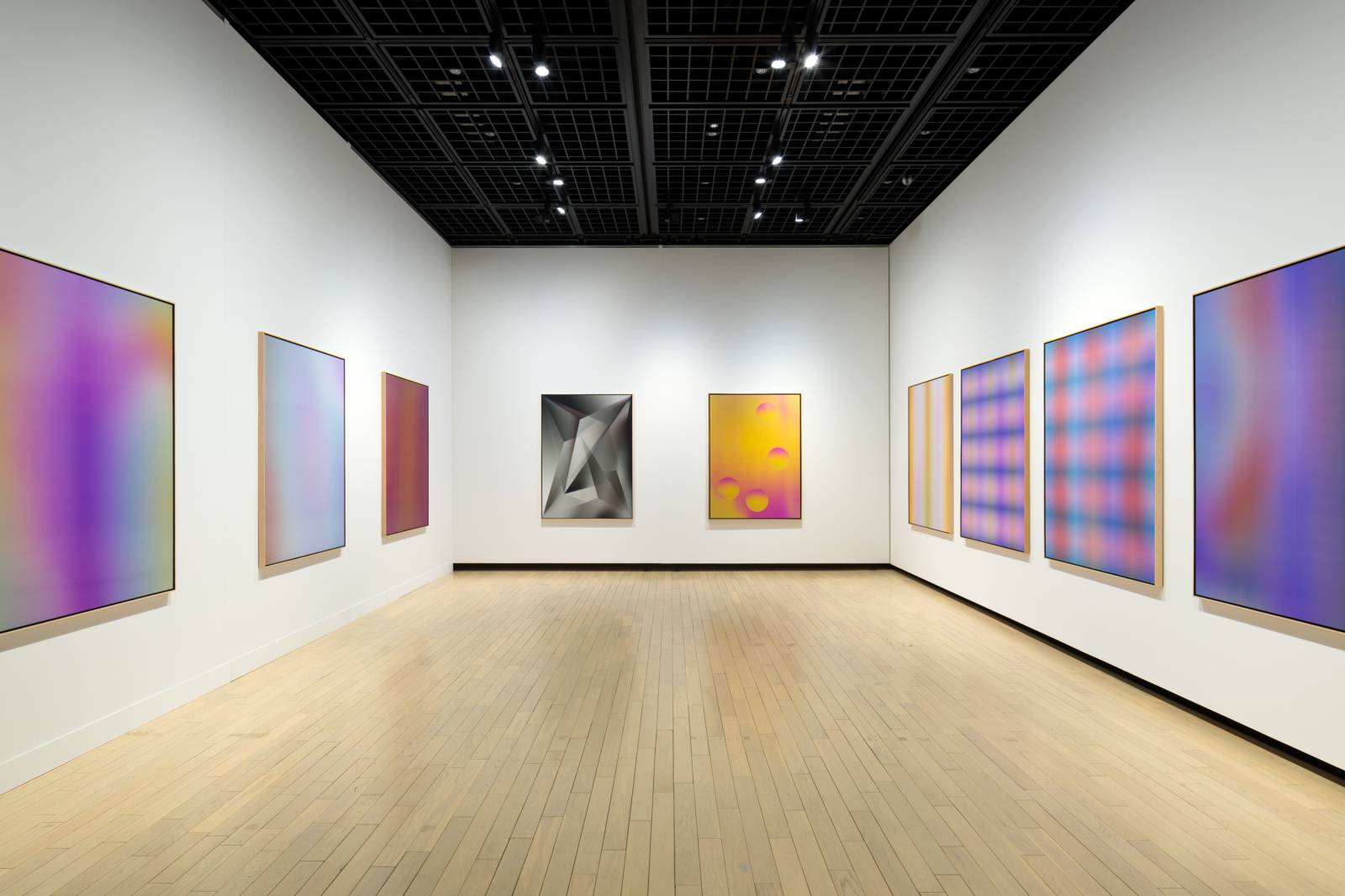
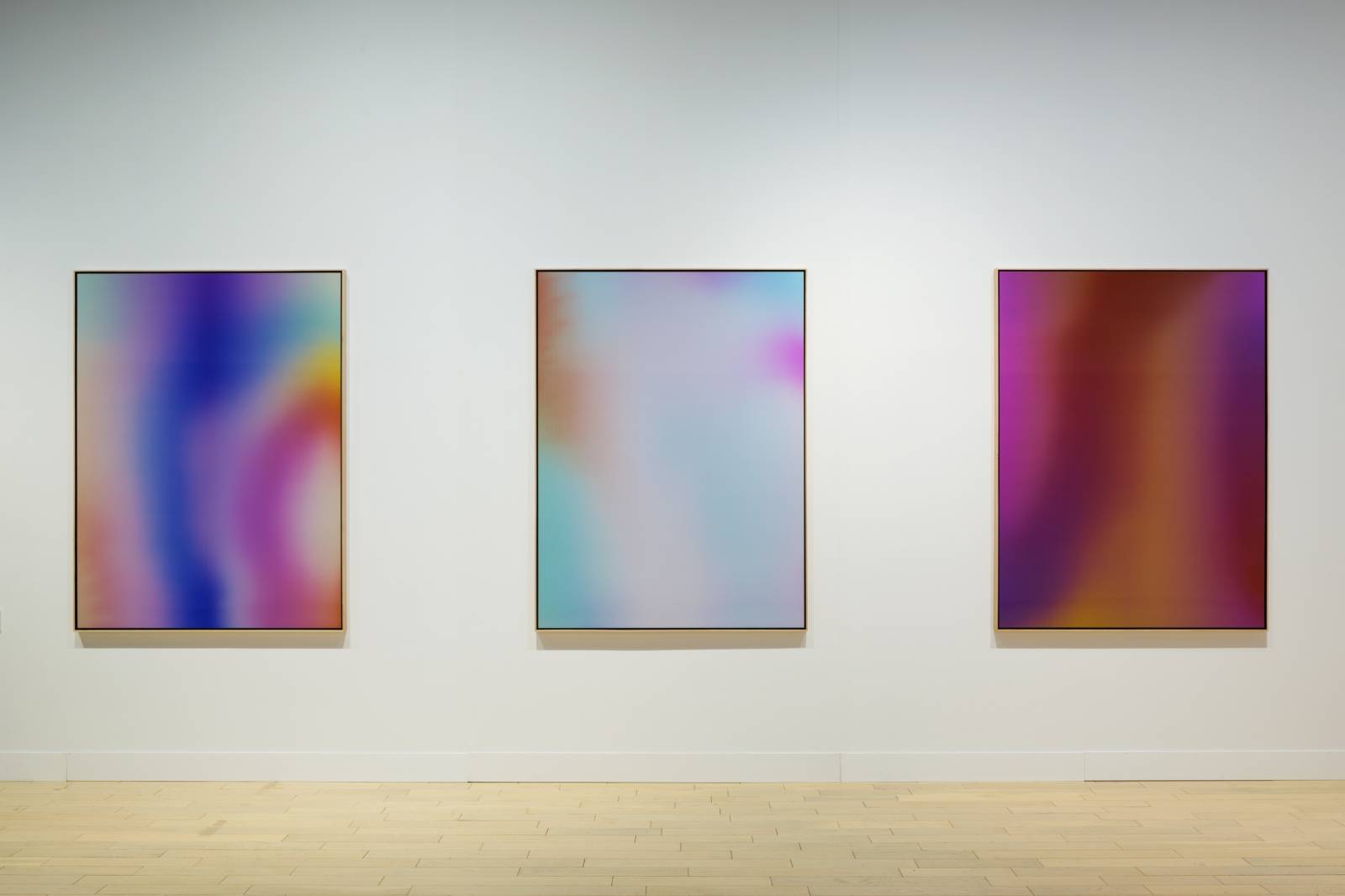
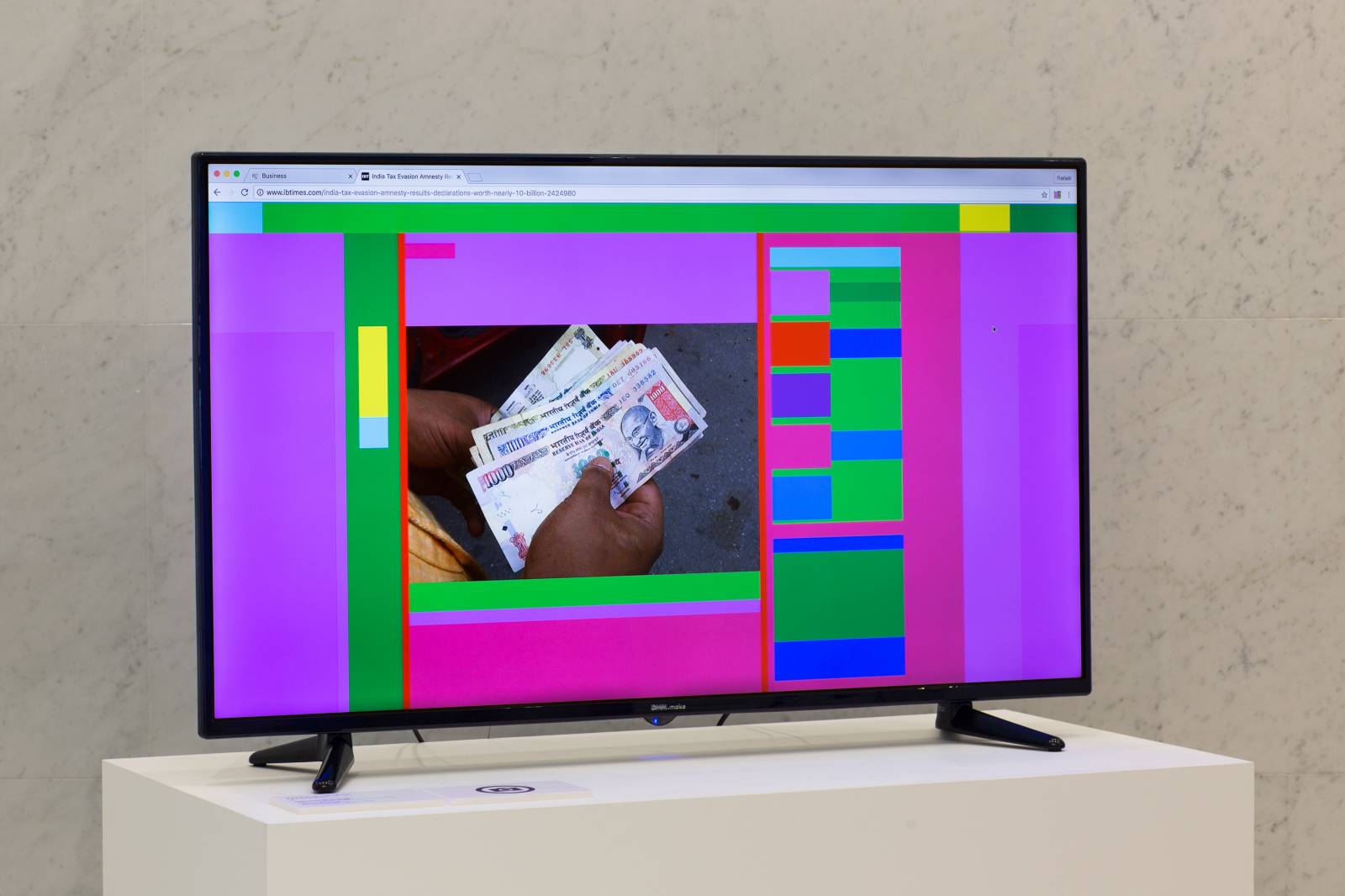
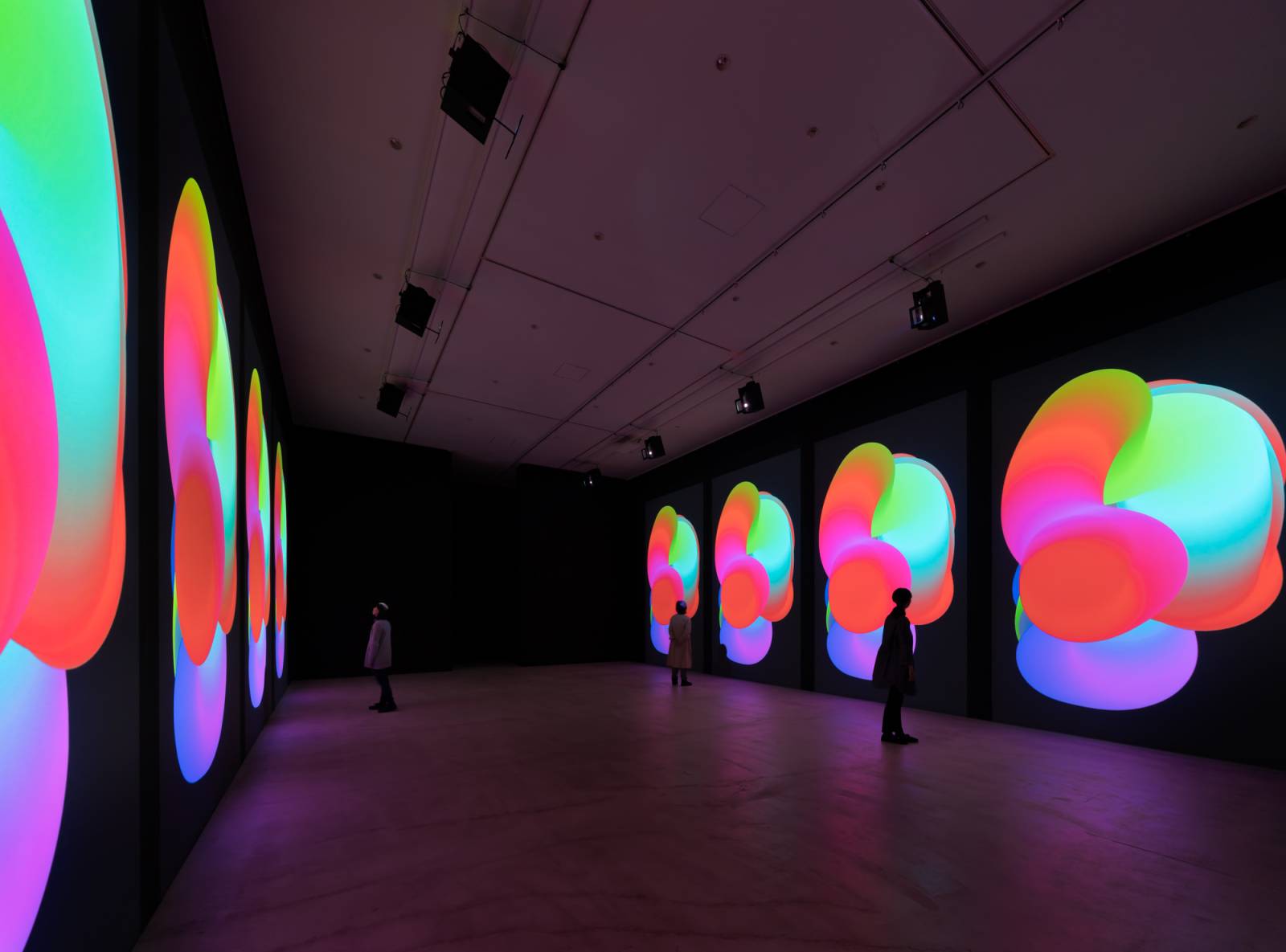
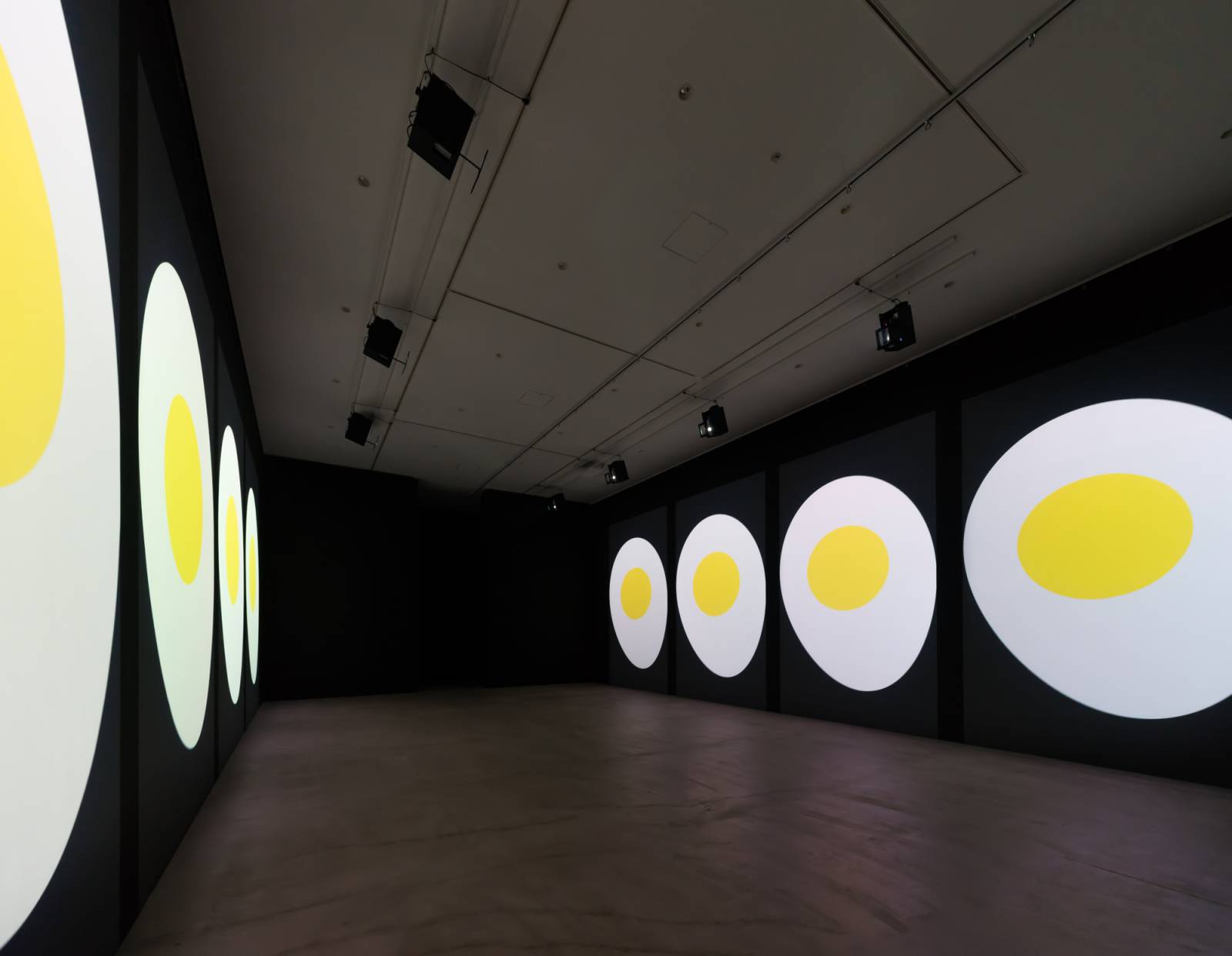
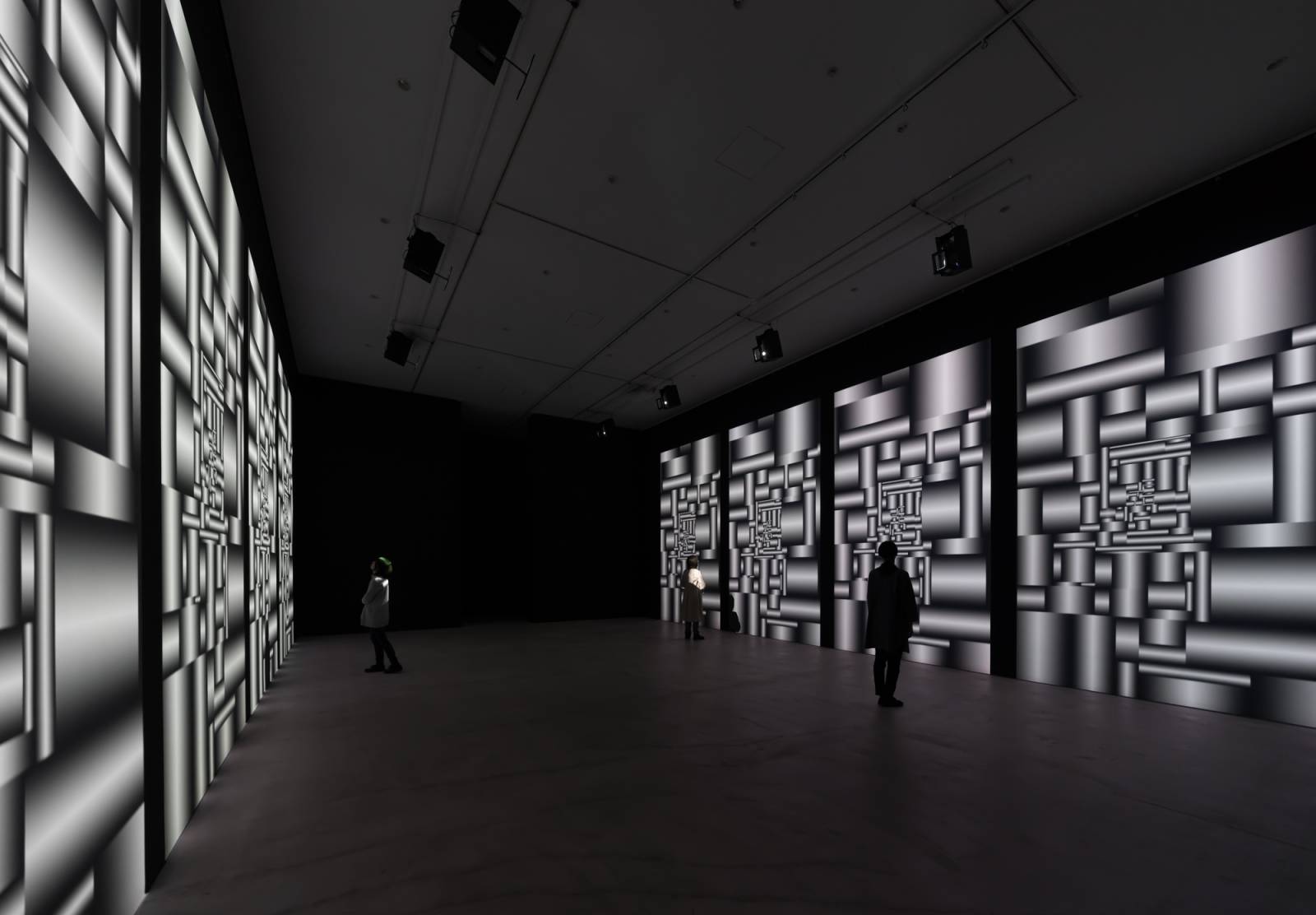
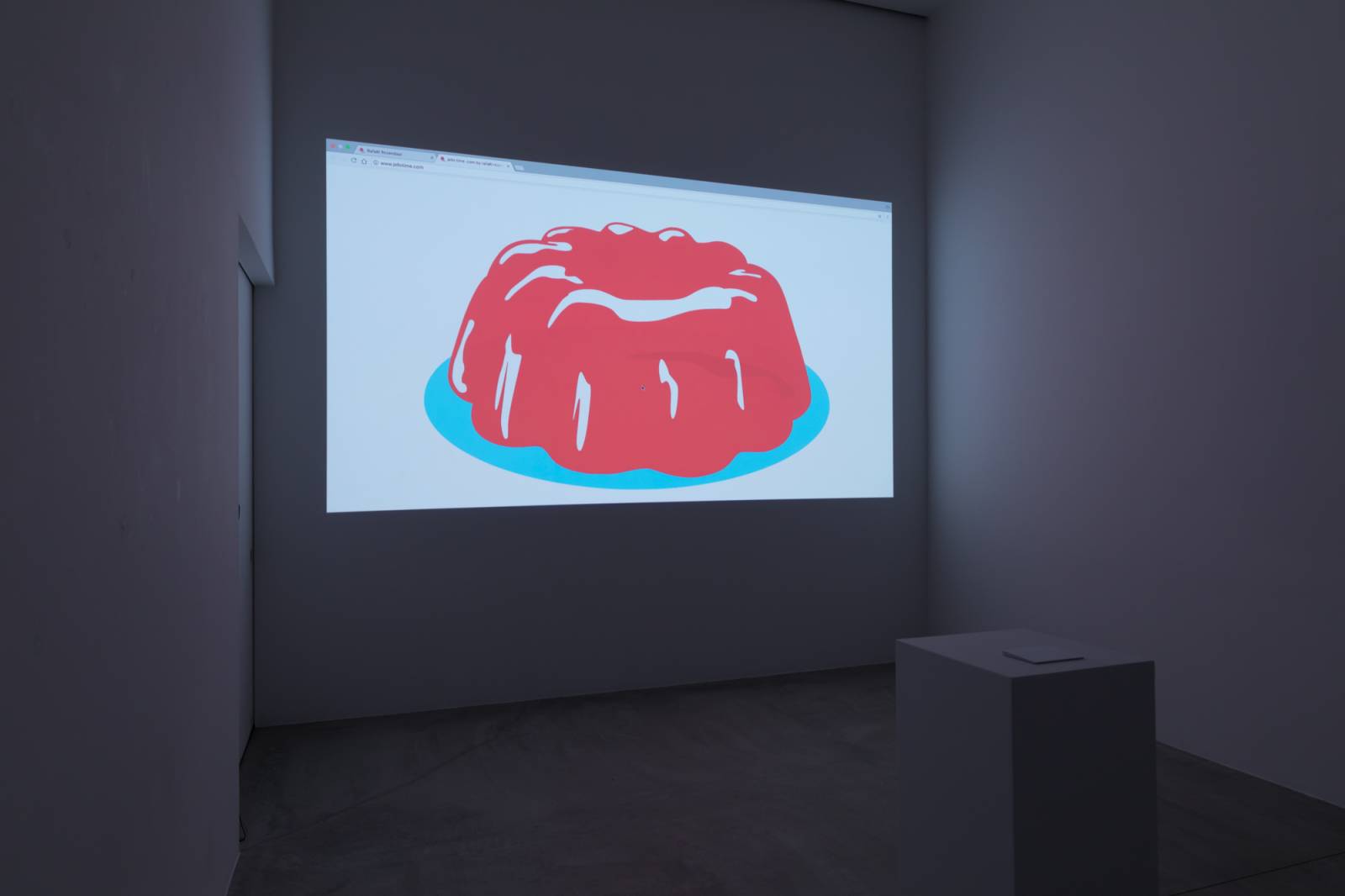
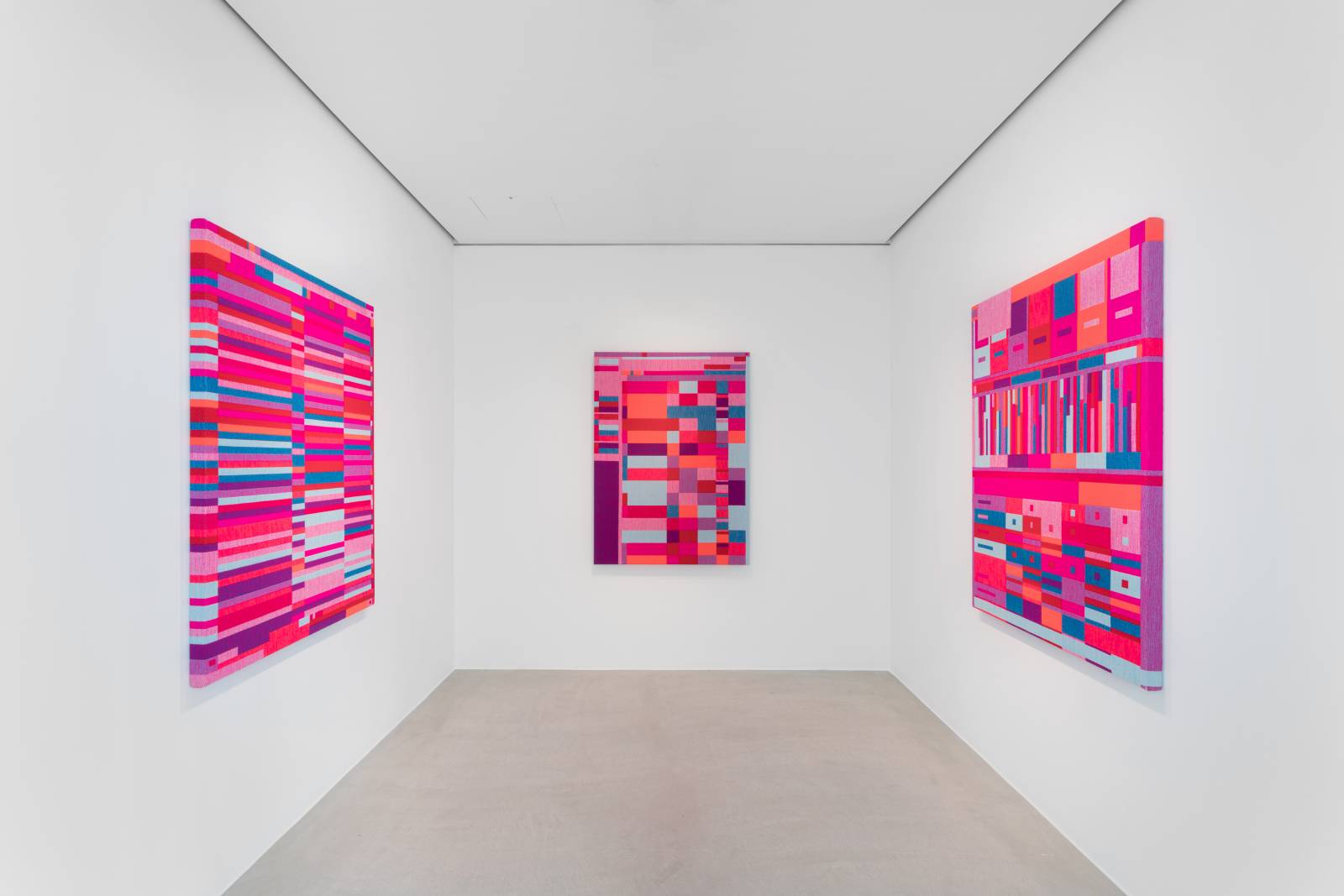
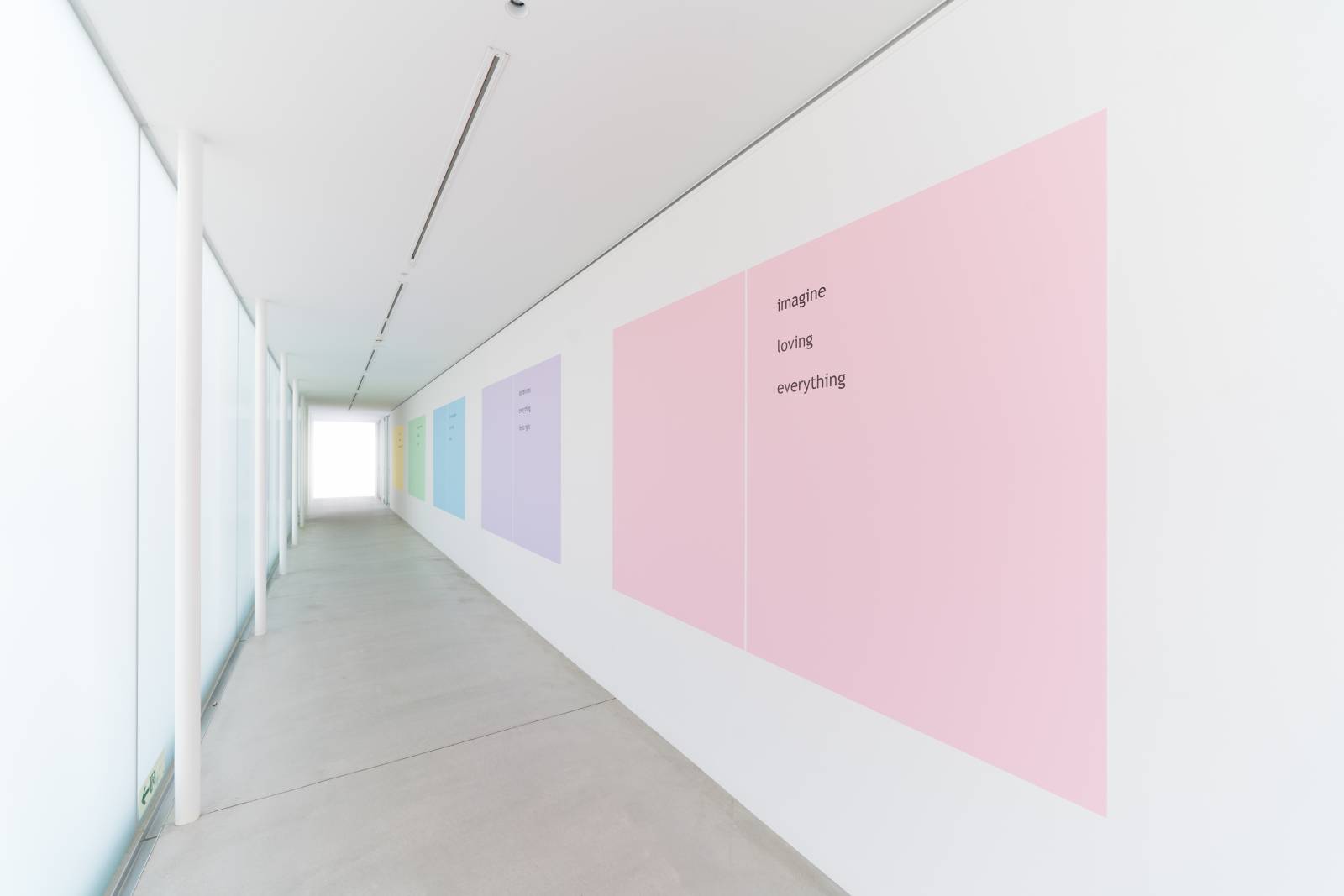
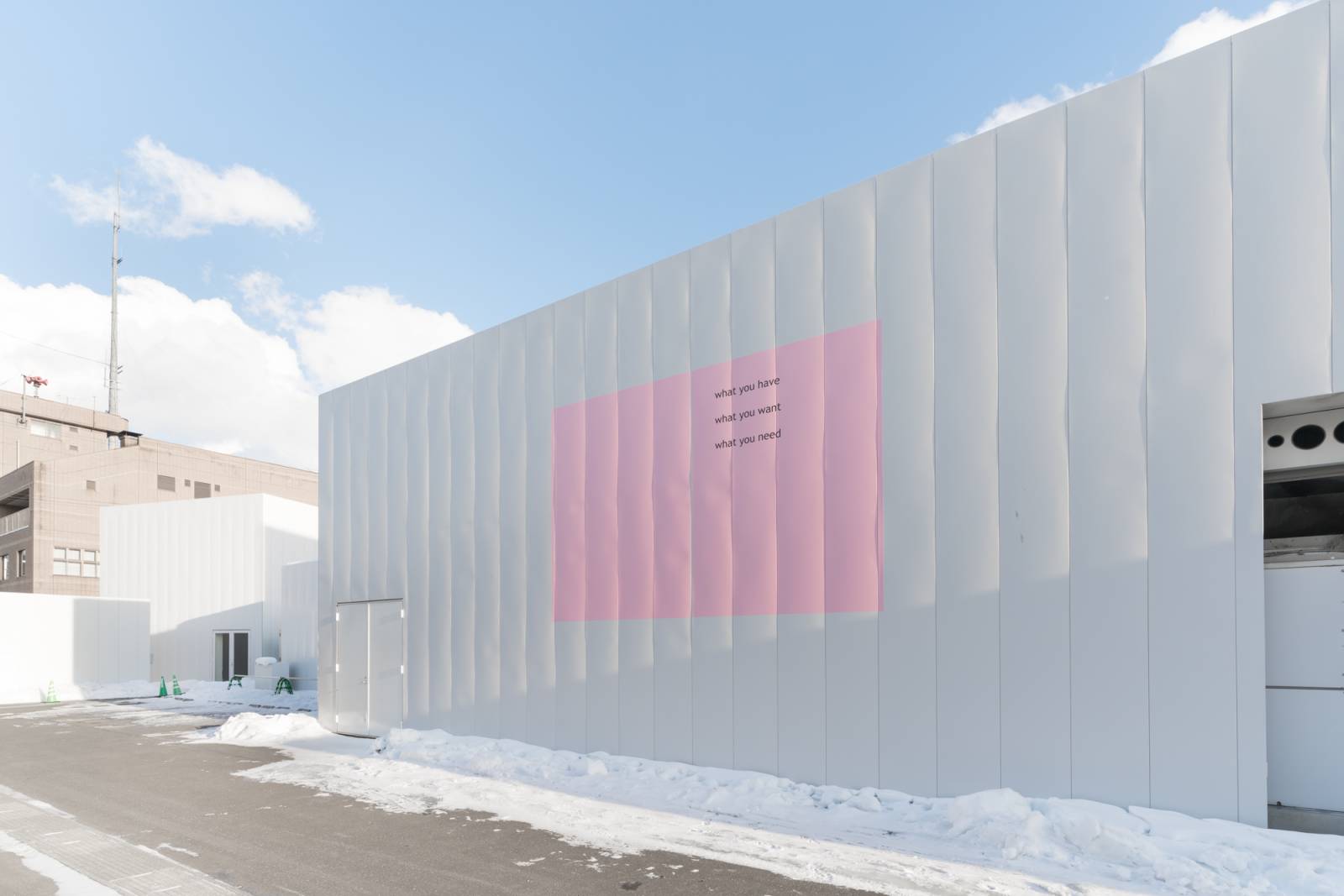
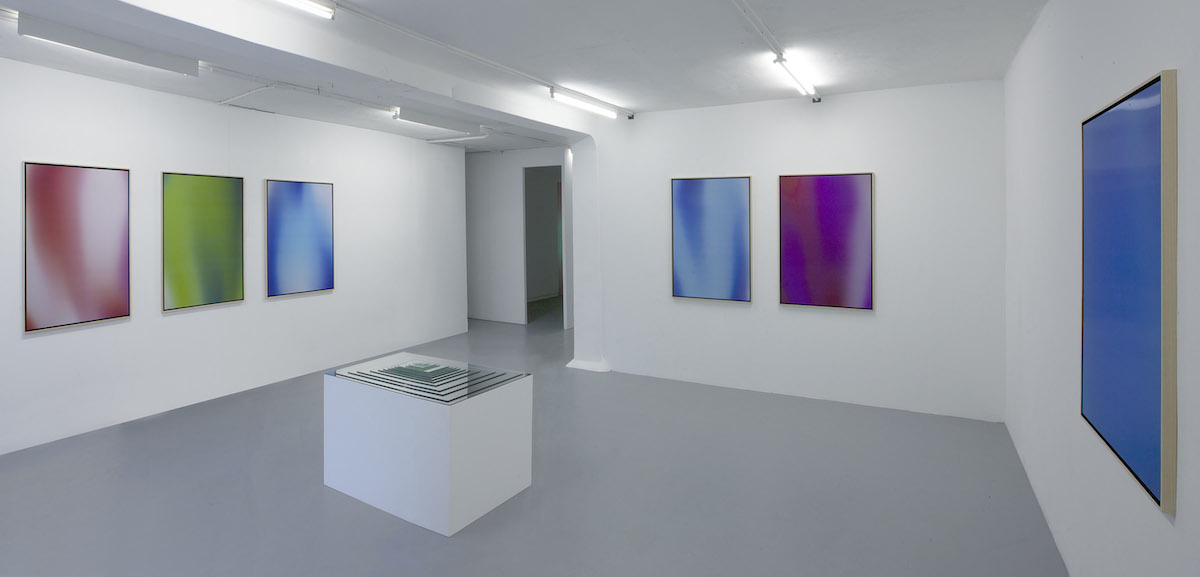
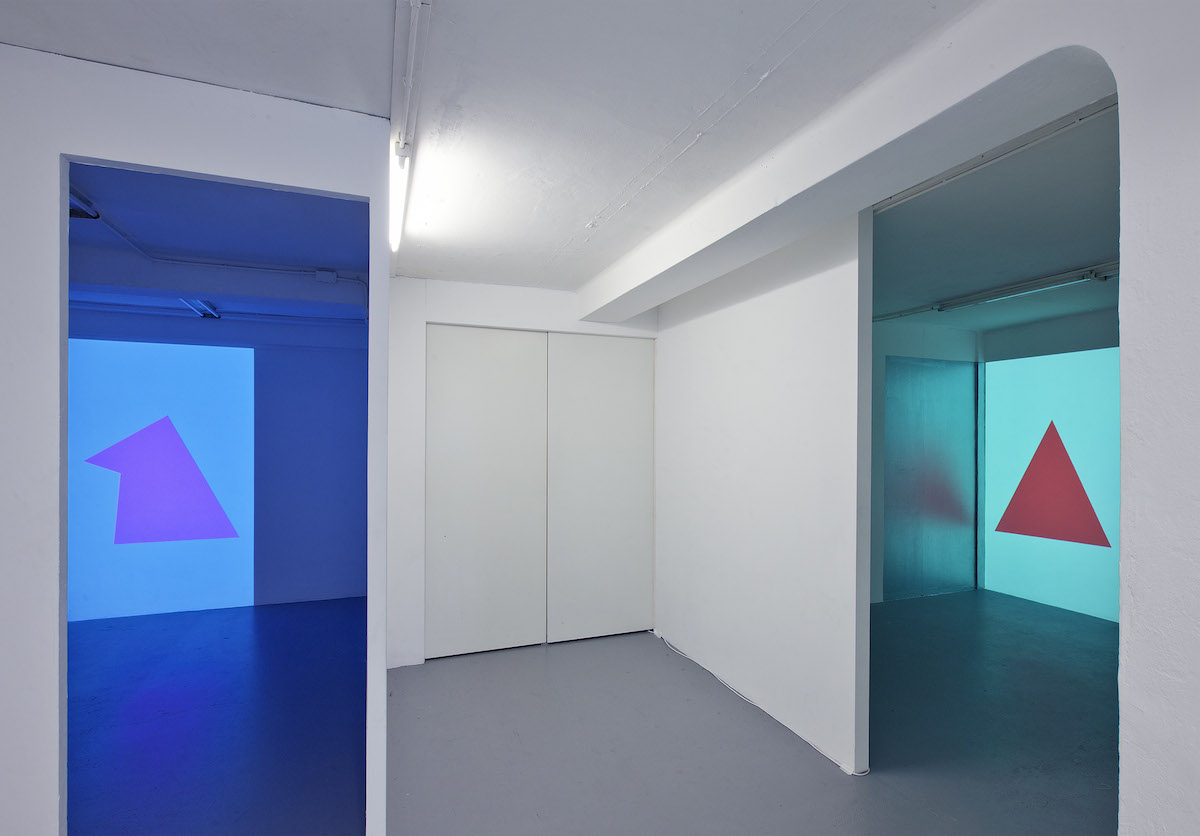
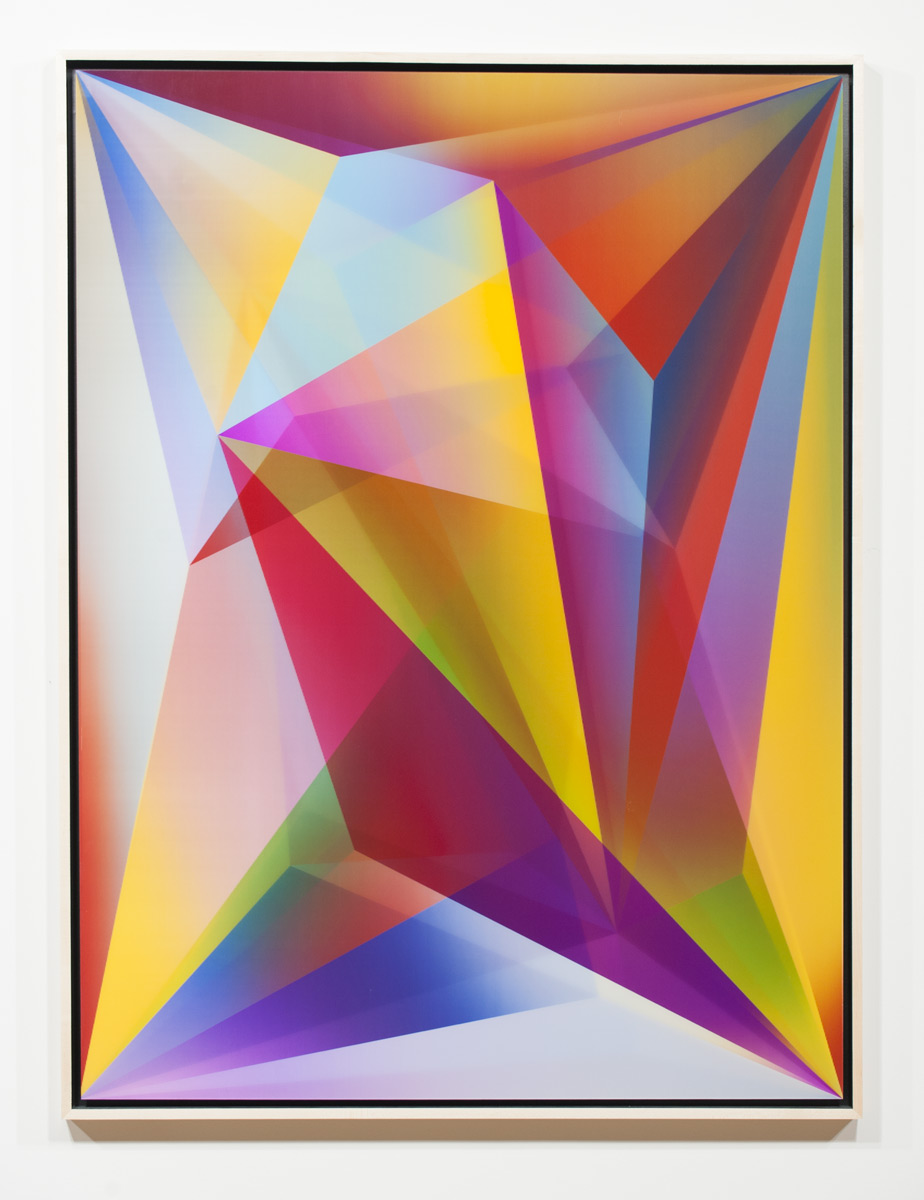
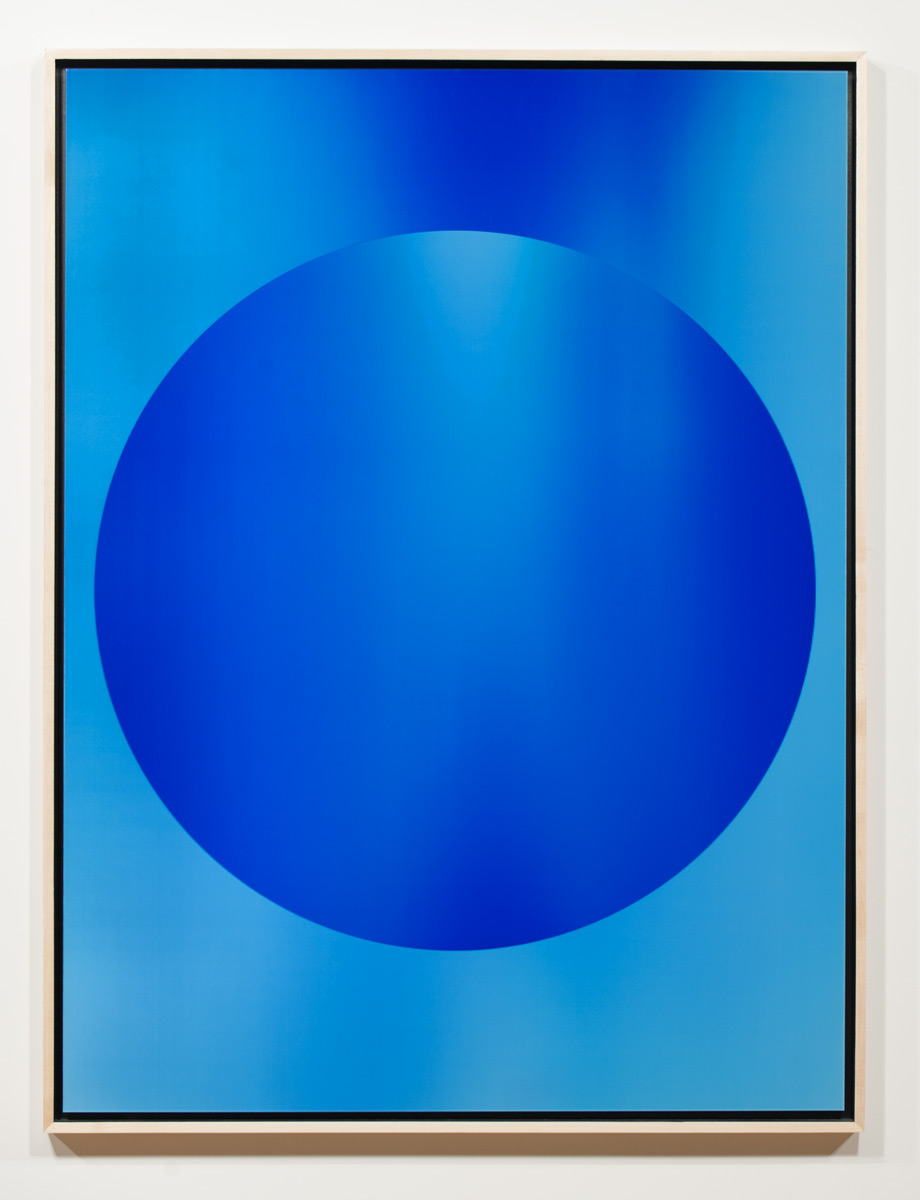
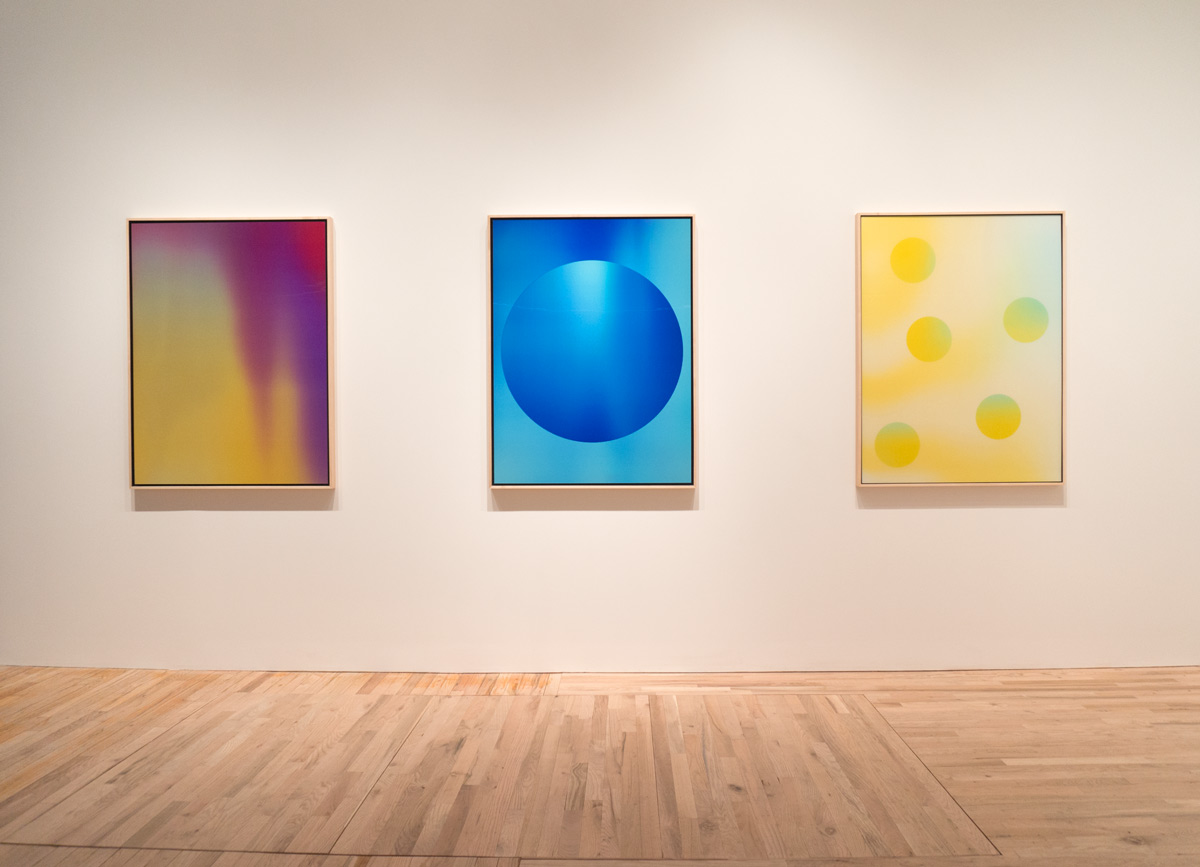
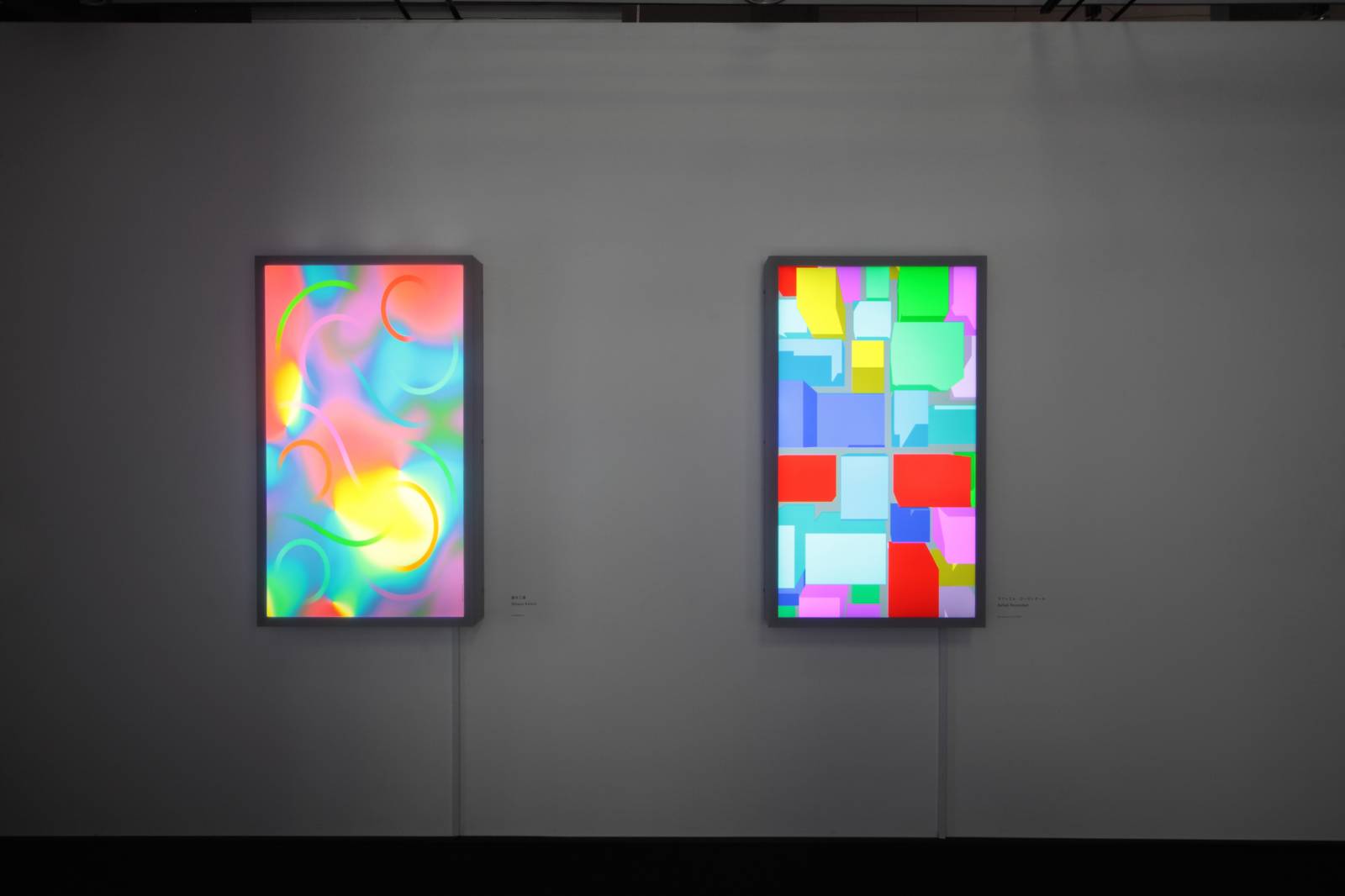
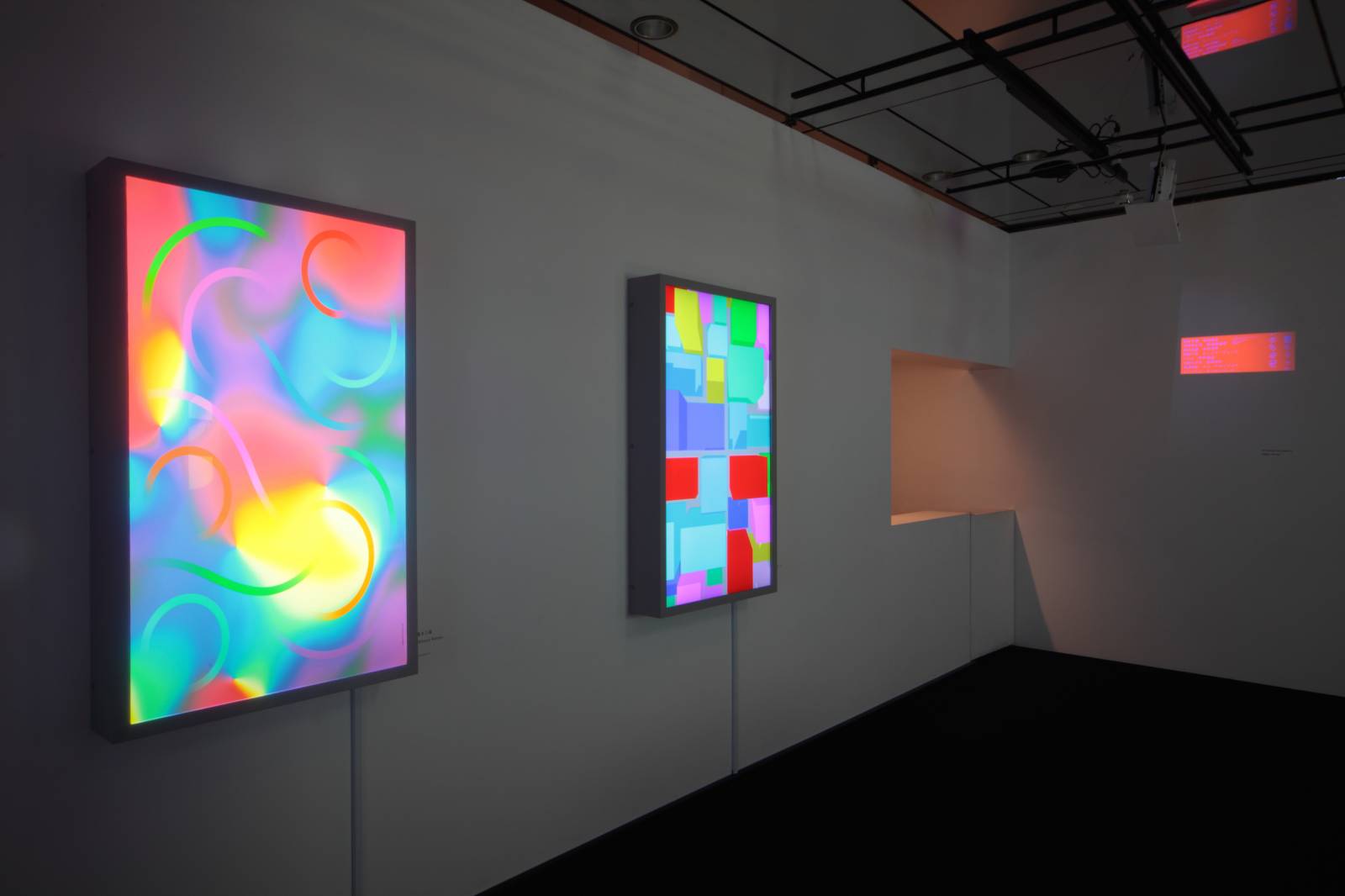
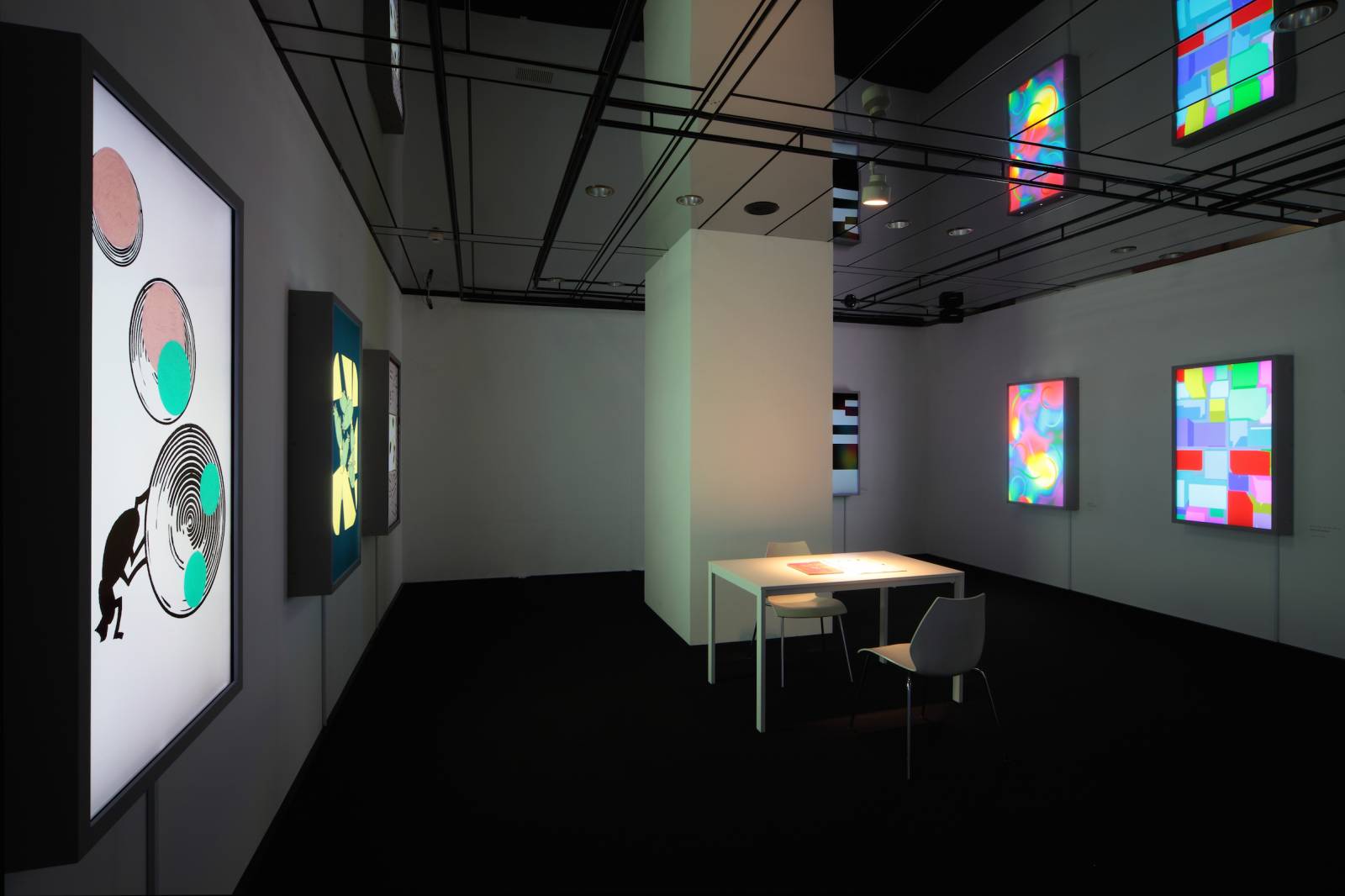
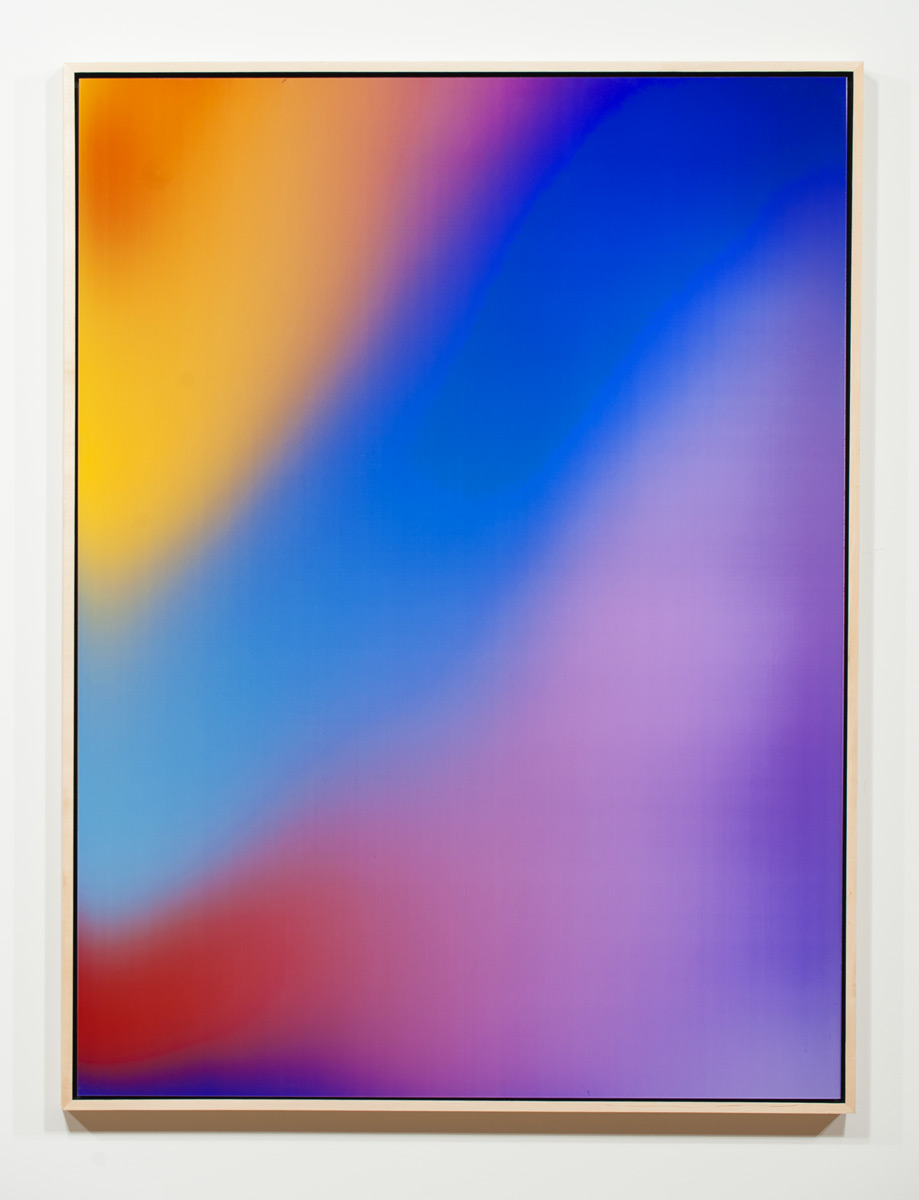
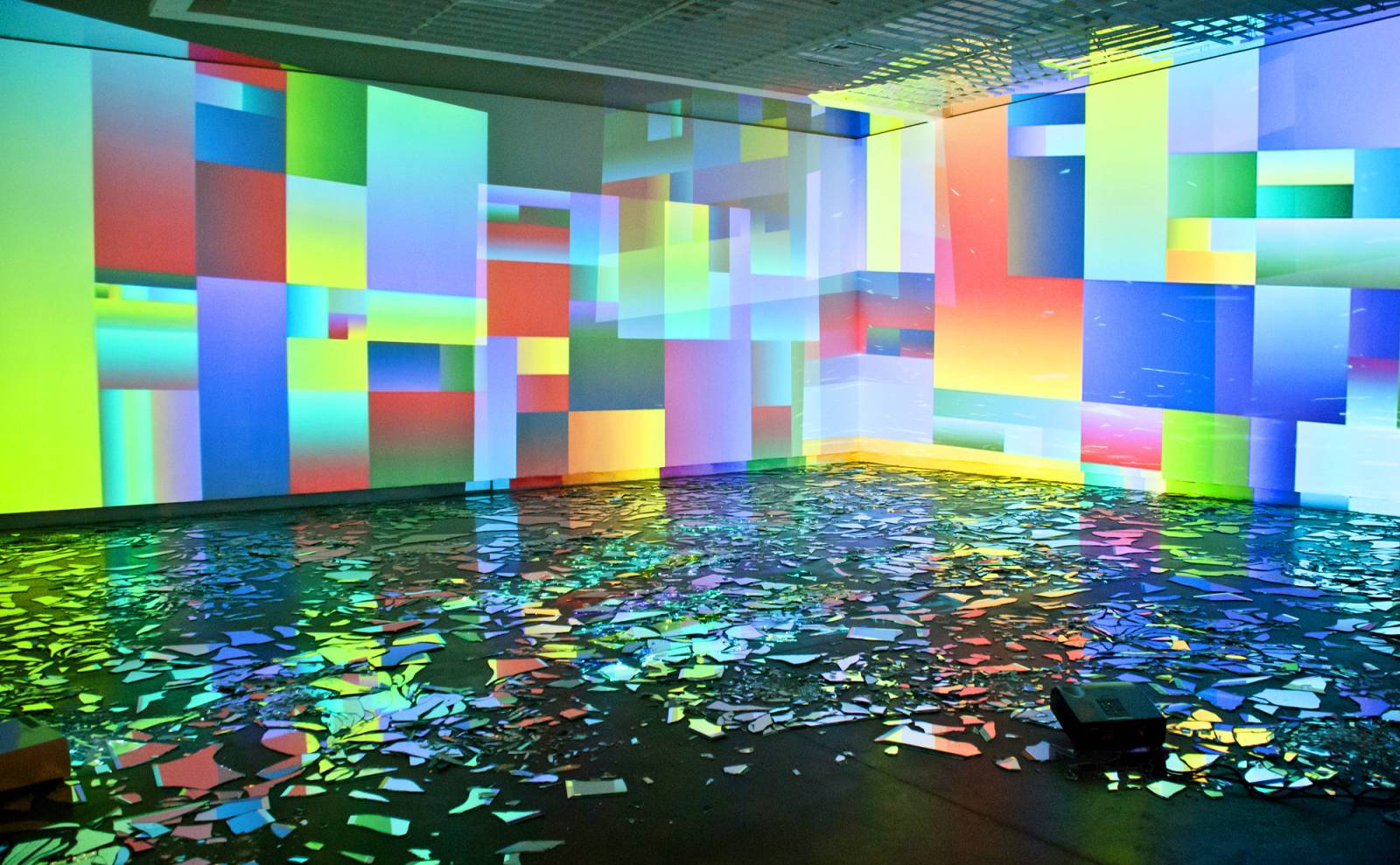
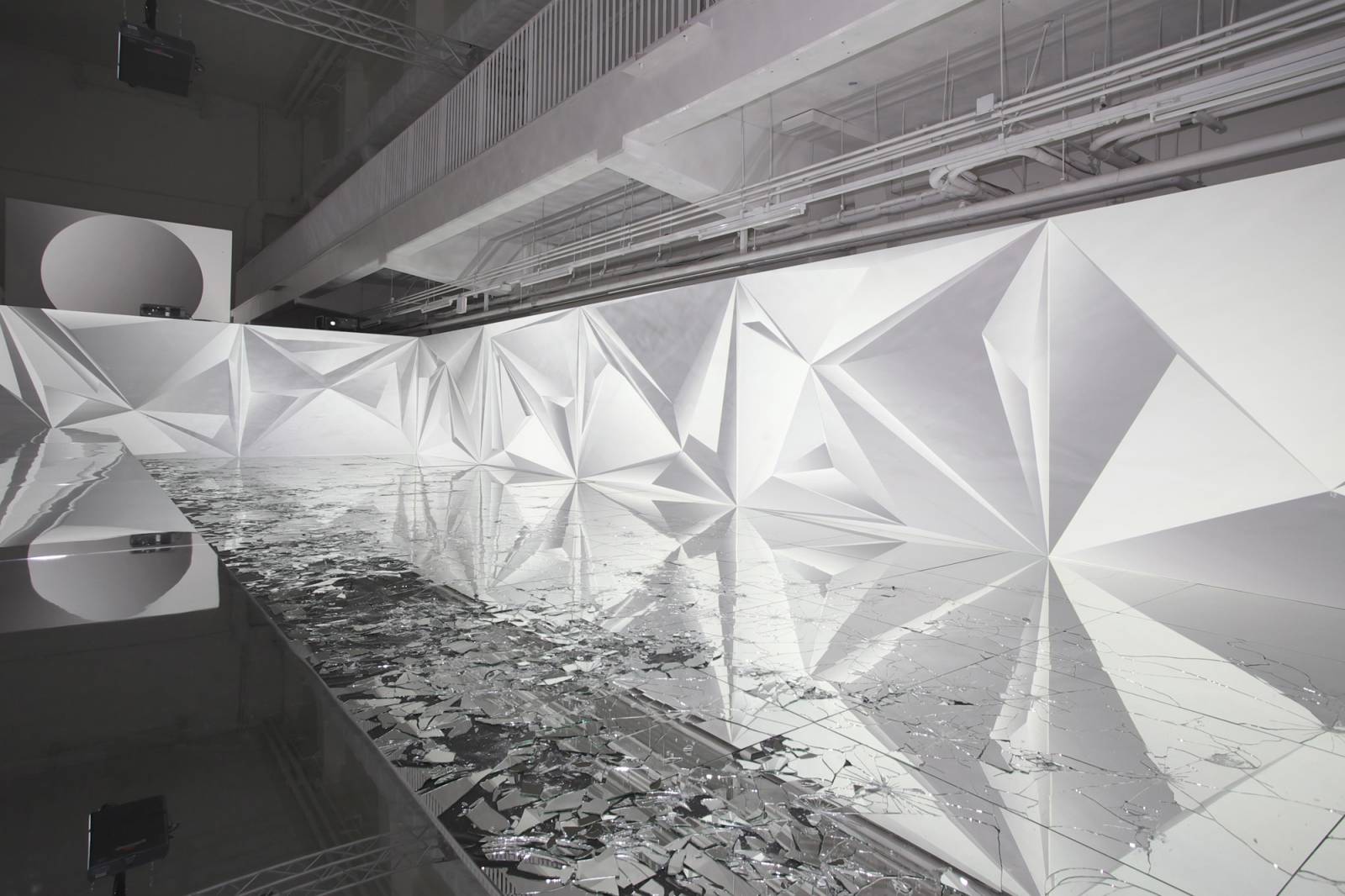
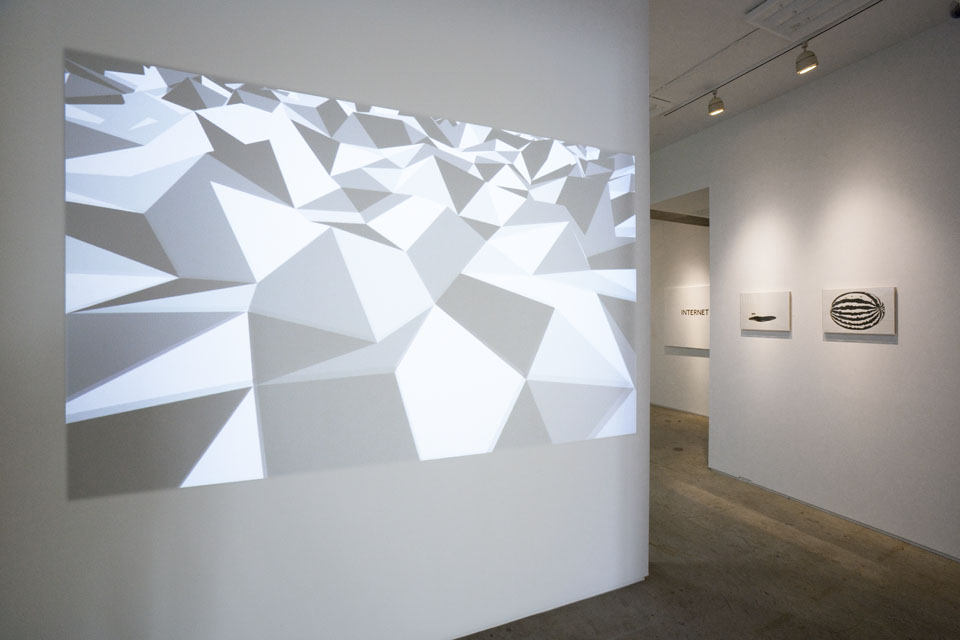
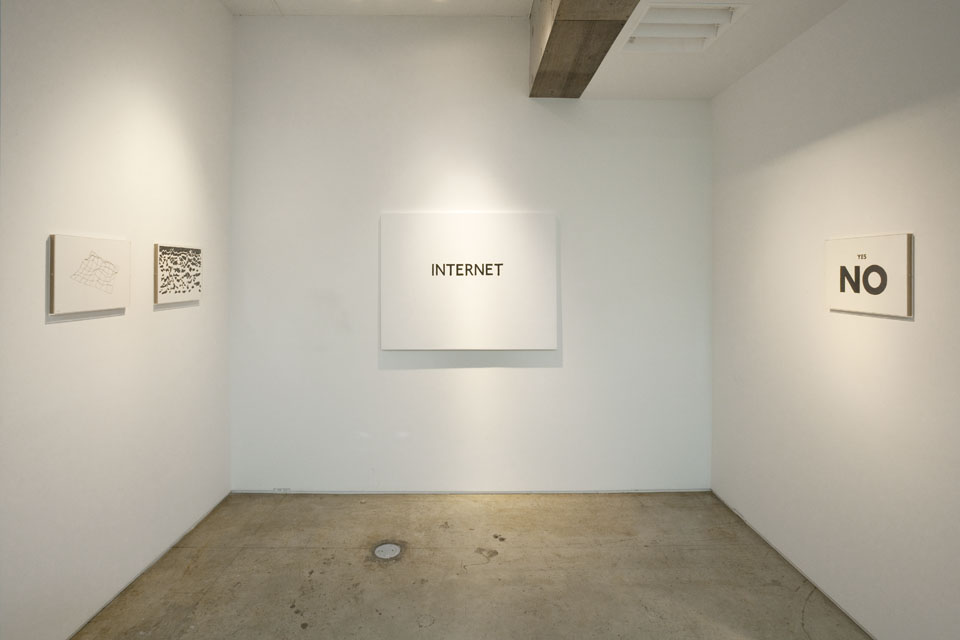
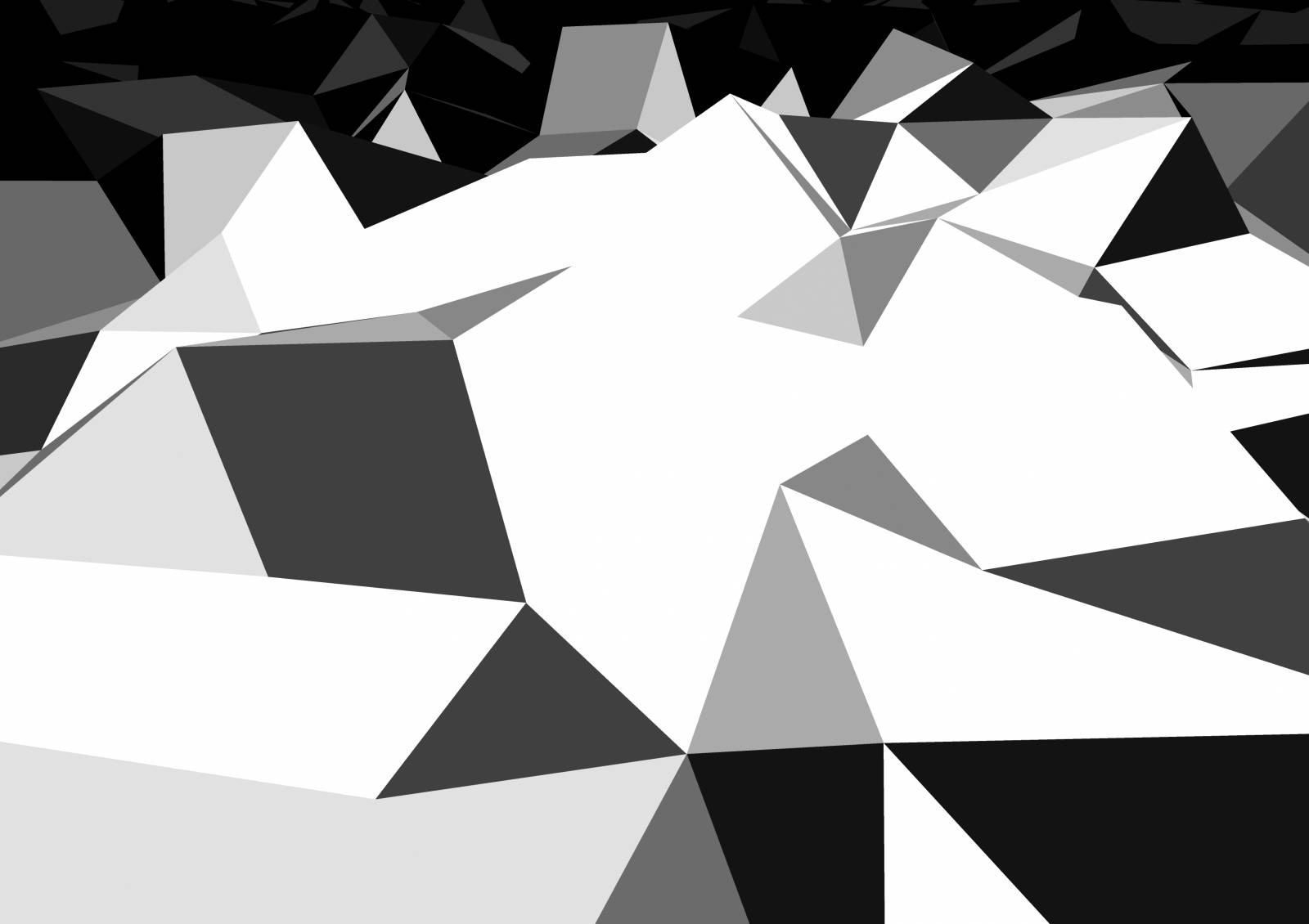
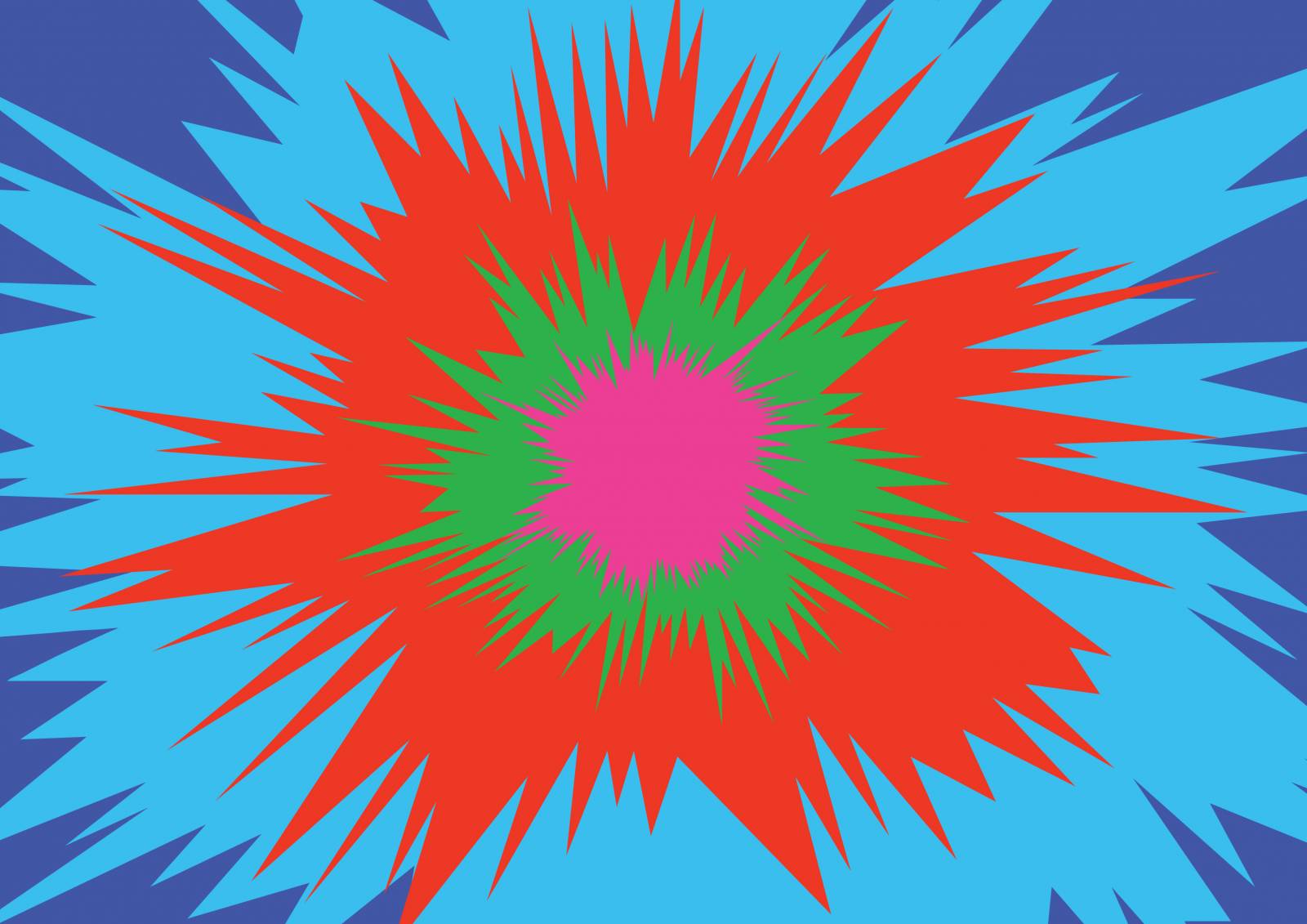
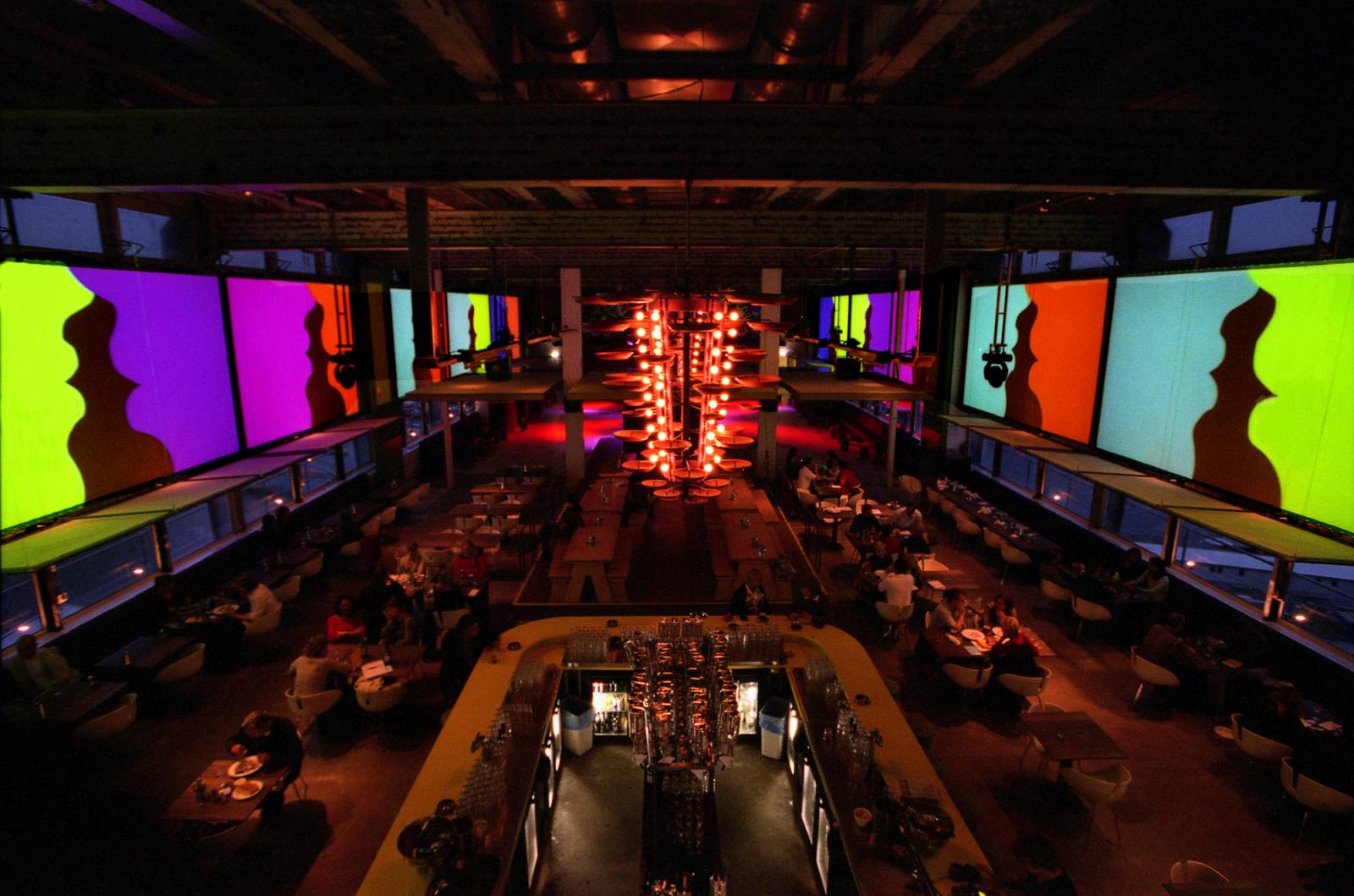
Exhibition at TSCA
- Rafaël Rozendaal|Details 26 July - 6 September, 2025
- Rafaël Rozendaal | Screen Time 26 November - 24 December, 2022
- Shuhei Ise, Enrico Isamu Oyama, Mayumi Hosokura, Rafaël Rozendaal 16 April - 21 May, 2022
- Rafaël Rozendaal | Calm 17 July - 28 August, 2021
- Special feature exhibition | Kenjiro Okazaki, Enrico Isamu Oyama, Rafaël Rozendaal 6 March - 3 April, 2021
- Special feature exhibition | Mai Yamashita + Naoto Kobayashi, Rafaël Rozendaal 7 September - 5 October, 2019
- Drawing: Manner | Kenjiro Okazaki, Enrico Isamu Oyama, Aya Kawato, Hideki Makiguchi, Goro Murayama 20 April - 25 May, 2019
- TSCA Collection | Foresights and Flow 26 January - 23 February, 2019
- Rafaël Rozendaal | Convenient 24 June - 29 July, 2017
- Rafaël Rozendaal | Somewhere 16 January - 13 February, 2016
- Rafaël Rozendaal | I’m Good 23 January - 20 February, 2010
Profile |
|
||||||||||||||||||||||||||||||||||||||||||||||
|---|---|---|---|---|---|---|---|---|---|---|---|---|---|---|---|---|---|---|---|---|---|---|---|---|---|---|---|---|---|---|---|---|---|---|---|---|---|---|---|---|---|---|---|---|---|---|---|
Awards |
|||||||||||||||||||||||||||||||||||||||||||||||
Solo Exhibitions |
|
||||||||||||||||||||||||||||||||||||||||||||||
Group Exhibition |
|
||||||||||||||||||||||||||||||||||||||||||||||
Publication |
|
||||||||||||||||||||||||||||||||||||||||||||||
Collection |
|
||||||||||||||||||||||||||||||||||||||||||||||
Others |
|||||||||||||||||||||||||||||||||||||||||||||||
Profile
| Rafaël Rozendaal | A pioneer of the net art scene, Rozendaal (b. 1980) is a Dutch-Brazilian artist who uses the internet as both his studio and his canvas. While he initially gained global prominence from his websites, Rozendaal has creatively utilized the internet—“the universal library”—to transcend these digital works into the physical world, be it his lenticular paintings, tapestries, and web installations. In 2018, Rozendaal held his first solo museum exhibition GENEROSITY at Towada Art Center in Aomori Prefecture, Japan. Other recent major exhibitions include, among others, the Whitney Museum of American Art, New York (USA), Centre Pompidou, Paris (FR), Dordrechts Museum (NL), Kunsthal Rotterdam (NL), Stedelijk Museum, Amsterdam (NL), and Hammer Museum, Los Angeles (USA).Publications include Home Alone (Three Star Books) and Everything, Always, Everywhere (Valiz). |
|---|
Awards
Solo Exhibitions
| 2025 | Details, Takuro Someya Contemporary Art, Tokyo, Japan Rooms, Fellowship, London, UK |
|---|---|
| 2024 | Light, Hyundai Card, Seoul, South Korea Light: Rafaël Rozendaal, Museum of Modern Art, NY, US Manual, Upstream Gallery, Amsterdam, The Netherlands |
| 2023 | Special Program: Looking at Something, Art Collaborartion Kyoto, Kyoto, Japan Color, Code, Communication, Museum Folkwang, Essen, Germany Rafaël Rozendaal / RR Haiku 278, NEWoMan YOKOHAMA, Yokohama, Japan |
| 2022 | Screen Time, Takuro Someya Contemporary Art, Tokyo, Japan Observation, Circolo Ufficiali della Marina Militare, Venice, Italy |
| 2021 | Permanent Distraction, Site Gallery, Sheffield, UK Mechanical Paintings, Upstream Gallery, Amsterdam, The Netherlands Calm, Takuro Someya Contemporary Art, Tokyo, Japan |
| 2020 | Websites, Site Gallery, Sheffield, UK |
| 2019 | Discrete Objects, Upstream Gallery, Amsterdam, The Netherlands Nervous, Postmasters Gallery, Rome, Italy Double Pressure, Centraal Museum Utrecht, Utrecht, The Netherlands Don’t do too much, Postmasters Gallery, New York, NY, US |
| 2018 | Generosity, Towada Art Center, Aomori, Japan Portraits, Steve Turner, Los Angeles, CA, US |
| 2017 | Anti Social, Postmasters Gallery, New York, NY, US Convenient, Takuro Someya Contemporary Art, Tokyo, Japan |
| 2016 | Complex Computational Compositions, Upstream Gallery, Amsterdam, The Netherlands Abstract Browsing, Steve Turner, Los Angeles, CA, US Somewhere, Takuro Someya Contemporary Art, Tokyo, Japan |
| 2015 | Soft Focus, MU, Eindhoven, The Netherlands Haiku, Postmasters Gallery, New York, NY, US Times Square Midnight Moment, New York, NY, US On And On, Carl Kostyál, Stockholm, Sweden |
| 2014 | Almost Nothing, Hardly Anything, Steve Turner, Los Angeles, CA, US External Memory, Upstream Gallery, Amsterdam, The Netherlands Seoul Art Square, Seoul, South Korea |
| 2013 | Everything you see is in the past, Postmasters Gallery, New York, NY, US Seoul Art Square, Seoul, South Korea |
| 2012 | Everything Always Everywhere, Steve Turner, Los Angeles, CA, US Everything Dies, curated by Vlado Velkov, Kunstverein Arnsberg, Arnsberg, Germany In and Out, Tetem, Enschede, The Netherlands |
| 2011 | New Information, Nordin Gallery, Stockholm, Sweden In Motion, curated by Jiminie Ha, With Project Space, New York, NY, US The Shift, curated by Tim Voss, W139, Amsterdam, The Netherlands To Walk The Night, Gloria Maria Gallery, Milan, Italy |
| 2010 | Thank You Very Much, Future Gallery, Berlin, Germany Perfect Vacuum, curated by Johanna Bergmark, Galeri Pictura, Lund, Sweden Yes For Sure, curated by Petra Heck, Netherlands Media Art Institute, Amsterdam, The Netherlands Broken Self, Spencer Brownstone Gallery, New York, NY, US Volta Art Fair, New York, NY, US I’m Good, Takuro Someya Contemporary Art, Tokyo, Japan |
| 2009 | Really Really Big, NP3, Groningen, The Netherlands |
| 2007 | Flaming Log, Carmelitas Gallery, Barcelona, Spain Piece by Piece, curated by Marti Peran, Galeria dels Angels, Barcelona, Spain |
| 2006 | SMCS op 11, curated by Jelle Bouwhuis, Amsterdam, The Netherlands |
| 2005 | Neen Season, Sketch, London, UK |
| 2004 | It Will Never be the Same, quarantine, Amsterdam, The Netherlands New Rafael, M+R Gallery, London, UK |
| 2002 | White Trash, electronic orphanage, Los Angeles, CA, US |
Group Exhibition
| 2025 | Tokyo Gendai , PACIFICO Yokohama, Kanagawa, Japan Frieze Seoul , COEX, Seoul, South Korea Groundwork, Heft Gallery, New York Choose your Filter: Navigating 30 years of Browser Art, ZKM Karlsruhe, Germany |
|---|---|
| 2024 | Breekbaar, CODA Museum, Apeldoorn, The Netherlands Digital Witness, Los Angeles County Museum of Art, Los Angeles, USA Electric Op, Buffalo AKG Art Museum, Buffalo, USA Between pixel and pigment: Hybrid paintings in post-digital times, Kunsthalle Bielefeld and MARTa Herford, Germany Alone Together, Upstream Gallery, Amsterdam, The Netherlands TRUE COLORS, Akzonobel Art Foundation at Kunstmuseum Den Haag, The Hague, The Netherlands Art Rotterdam 2024, Van Nelle Fabriek, Rotterdam, The Netherlands |
| 2023 | MODERN TIMES in Paris 1925: Art and Design in the Machine-age, POLA Museum of Art, Kanagawa, Japan Pixel Poetry, Upstream gallery, The Netherlands (Online group exhibition) Focus, Upstream Gallery, Amsterdam, The Netherlands Behind the Screens, CODA Museum, Apeldoorn, The Netherlands Homage, Josef Albers Museum Quadrat Bottrop, Bottrop, Germany Art in the age of hyper technological Reproductions, GRYE GALLERY, Tokyo, Japan |
| 2022 | Shuhei Ise, Enrico Isamu Oyama, Mayumi Hosokura, Rafaël Rozendaal, Takuro Someya Contemporary Art, Tokyo, Japan Art CodeX, curated by Aorist, Biennale of Venice, Venice, Italy NFT Art and The Blockchain, a rose is a rose, Amsterdam, The Netherlands NfTNeTArT – from Net Art to Art NFT, panke.gallery + OFFICE IMPART, Berlin, Germany Do Your Own Research, Kunsthalle Zurich, Zurich, Switzerland Behind the Screens, CODA Museum, Apeldoorn, The Netherlands |
| 2021 | La realtà, i linguaggi, Galleria Astuni, Bologna, Italy Ethereal Aether, Hermitage Museum, Saint Petersburg, Russia Stories of Abstraction, Fondation Ricard, Paris, France Sans Object, Centre Pompidou, Paris, France Spatial Affairs, Ludwig Museum, Budapest, Hungary Special feature exhibition | Kenjiro Okazaki, Enrico Isamu Oyama, Rafaël Rozendaal, Takuro Someya Contemporary Art, Tokyo, Japan |
| 2020 | Good Pictures, curated by Austin Lee, Deitch Gallery, New York, NY, US Quiet, Calm, Staring, Upstream Gallery, Amsterdam, The Netherlands (curator) Cultural Matter, LIMA, Amsterdam, The Netherlands |
| 2019 | Screen It, Hasselt, Belgium A Semblance of the Indefinite, Hessel Museum of Art, Bard College, Annandale-on-Hudson, NY, US Trouble in Paradise, Kunsthal, Rotterdam, The Netherlands Out of Office, Museum Singer Laren, Laren, The Netherlands Post Analog Studio, The Hole, New York, NY, US Healing Light, Galerie LUMC, Leiden, The Netherlands |
| 2018 | Freedom of Movement, Stedelijk Museum, Amsterdam, The Netherlands Programmed, Whitney Museum, New York, NY, US From Zero to 2018, Upstream Gallery, Amsterdam, The Netherlands Measurements, Societe, Brussels, Belgium De Meest Eigentijdse Schilderijen, Dordrechts Museum, Dordrecht, The Netherlands A Lesson Loosely Learned, Galeria Cavalo, Rio de Janeiro, Brazil Portals_Thresholds, Cleveland Institute of Arts, Cleveland, OH, US Mapping the Invisible, Yebisu Festival, Tokyo Photographic Art Museum, Tokyo, Japan Colour & Abstraction, Textile Museum, Tilburg, The Netherlands |
| 2017 | Art from the Hugo Brown Family Collection, Kunsthal, Rotterdam, The Netherlands Sleepmode: The Art of the Screensaver, Nieuwe Instituut, Rotterdam, The Netherlands Kenpoku Festival, Ibaraki, Japan Hello Robot, Vitra Design Museum, Weil am Rhein, Germany Insomnia, Bonniers Konsthall, Stockholm, Sweden |
| 2016 | Kenpoku Festival, Ibaraki, Japan BYOB, Stedelijk Museum, Amsterdam, The Netherlands (curator) Doings & Knots, Tallinn Art Hall, Tallinn, Estonia Dialogue with Something Invisible, Artium, Fukuoka, Japan New Gameplay, Nam June Paik Art Center, Seoul, South Korea Digital Abstraction, HEK, Basel, Switzerland Unknown Landscape, Upstream Gallery, Amsterdam, The Netherlands |
| 2015 | STRP Biennial, Eindhoven, The Netherlands L’art et le Numérique en Résonance, La Maison Populaire, Montreuil, Paris, France Mankind/Machinekind, Krinziger Projecte, Vienna, Austria |
| 2014 | Born Digital, Museum of the Image, Breda, The Netherlands The Moving Museum, Istanbul, Turkey Selected Websites, Hammer Museum, Los Angeles, CA, US Liquid Crystal, curated by Michael Connor, Honor Fraser Gallery, Los Angeles, CA, US Looking at Something, Telfair Museum, Savannah, GA, US Illumination, G8 Gallery, Tokyo, Japan |
| 2013 | Paddles On!, curated by Lindsay Howard, Phillips, New York, NY, US BYOB Mobile, Printed Matter, New York, NY, US Being in the wired world, Kawasaki City Museum, Kawasaki, Japan Cold Void, KK Outlet, Los Angeles, CA, US 6 websites, arranged by Mark Brown, Salon94 Bowery, New York, NY, US Book Machine, Centre Pompidou, Paris, France Node Festival, Kunstverein Frankfurt, Frankfurt, Germany #FutureMyth, 319 Scholes, New York, NY, US Brand Innovations, Carroll/Fletcher, London, UK Notes on a new nature, Art et Amicitae, Amsterdam, The Netherlands |
| 2012 | Mythology Online, Science Museum, Moscow, Russia Without Hesitation, Tokyo, Japan Bright Lights After Armageddon, curated by Mark Brown, New York, NY, US AND Festival, curated by Ruth McCullough, UK Seoul Square, curated by Lauren Cornell and the New Museum, Seoul, South Korea BYOB MOCA LA, curated by Mike D, MOCA Geffen, Los Angeles, CA, US Richteriana, Postmasters Gallery, New York, NY, US Dotcom, Centre d’Art Bastille, Grenoble, France Nova, Museu da Imagem e do Som de São Paulo, São Paulo, Brazil DLD Conference, curated by Johannes Fricke & Hans Ulrich Obrist, Germany |
| 2011 | BYOB: Games, curated by Paul Slocum, Postmasters Gallery, New York, NY, US Extimacy, curated by Pier Giorgio De Pinto, CACT, Lugano, Switzerland BYOB Amsterdam, W139, Amsterdam, The Netherlands (curator) BYOB Tokyo, curated by Yosuke Kurita, Tokyo, Japan BYOB Venezia, Venice Biennial, Venice, Italy (curator) File Festival, Rio de Janeiro, Brazil Rhizome at the Armory, curated by Lauren Cornell, New York, NY, US BYOB Paris, curated by Nicolas Maigret, Paris, France BYOB London, curated by Kernel, London, UK Rojo Nova Festival, curated by David Quiles Guilló, Rio de Janeiro, Brazil DLD Conference, curated by Johannes Fricke, Munich, Germany |
| 2010 | Speedshow/PeepShow, Curated by Hitomi Hasegawa, Hong Kong BYOB NYC, Spencer Brownstone Gallery, New York, NY, US (curator) Bal Jaune Ricard, curated by Claire Staebler, Paris, France BYOB Athens, curated by Angelo Plessas, Kunsthalle Athena, Athens, Greece Speedshow, curated by Aram Bartholl, Amsterdam, The Netherlands Happy is a place, curated by Violeta Solís Horcasitas, Mexico City, Mexico Taipei Art Fair (TSCA), Taipei, Taiwan BYOB (bring your own beamer), Berlin, Germany (curated with Anne de Vries) Binary Code View, The Agency, London, UK Kunsthalle Athena, curated by Marina Fokidis, Athens, Greece Multiplex, curated by Vvork, Munich, Germany Preferiría (si) Hacerlo, Bogota, Colombia Texture Maps, curated by Eelco van der Lingen, Nest, The Hague, The Netherlands CIRCA Puerto Rico, Preteen gallery, San Juan, Puerto Rico Better Brain: Projected Manifestations of Futurity, Future Gallery, Berlin, Germany Don’t worry, be happy!, curated by Gerben Willers, Mama, Rotterdam, The Netherlands |
| 2009 | The Last Session, curated by Jan van Woensel, Amsterdam, The Netherlands AFK sculpture park (away from keyboard), curated by aids-3D, Berlin, Germany Afficha Festival, curated by Roman Mazurenko, Moscow, Russia Biennale di Venezia, Padiglione Internet, curated by Miltos Manetas and Jan Aman, Venice, Italy The New Easy, curated by Lars Eijssen, Art News, Berlin, Germany Are you sure you are you?, Spencer Brownstone Gallery, New York, NY, US 101 art fair project room, curated by Kosuke Fujitaka, Tokyo, Japan Straylight Cavern, Cell Project Space, London, UK The Real Thing, MU art foundation, curated by vvork, Eindhoven, The Netherlands |
| 2008 | Love Delirium, Kunstraum Niederoesterreich, Vienna, Austria FILE, São Paolo, Brazil Rhizome commissions, New Museum, New York, NY, US Point of no Return, curated by Caroline Hancock, Rubicon Gallery, Dublin, Ireland The Long Cigarette, 11, Amsterdam, The Netherlands Webcra.sh, curated by Jodi, Pictura, Dordrecht, The Netherlands |
| 2007 | Dazed & Confused vs. Andy Warhol, curated by Jerome Sans, Baltic Mill, Newcastle, UK Existential Computing, Hayward Gallery, London, UK Much Better Than This, Horsecross, Perth, Australia |
| 2006 | Neen Evening, Amsterdam, The Netherlands Unlike the Rest, Liquid Room, Tokyo, Japan Neen Demo, curated by Angelo Plessas, Benaki Museum, Athens, Greece RAI art fair, GMVZ, Amsterdam, The Netherlands Superneen, Galleria Pack, Milan, Italy ARCO with Galeria Dels Angels, Madrid, Spain Inside Out, fondsbkvb, Amsterdam, The Netherlands |
| 2005 | Loop of Neen, Loop Festival, Barcelona, Spain Bienal de Valencia, curated by Franck Gautherot and Seung-duk Kim, Valencia, Spain Sonar Festival, Barcelona, Spain It Will Never be the Same, curated by Claude Closky, le Magasin, Grenoble, France |
| 2004 | New Masters of Universe, curated by Wonil Rhee, Museum of Contemporary Art Taipei, Taipei, Taiwan NeenToday, MU Art Foundation, Eindhoven, The Netherlands (curator) I am Very Very Sorry, gallery mvz, Amsterdam, The Netherlands |
| 2002 | Afterneen, casco, Utrecht, The Netherlands Neen World, vilette numerique, Paris, France WhitneyBiennial.com, New York, NY, US |
Publication
| 2023 | "81 Horizons", Walther and Franz König, Essen |
|---|---|
| 2020 | "HOME ALONE", Three Star Books, France |
| 2019 | "haiku book 2018" (Spheres Publication, London) "Everything, Always, Everywhere (my first monograph)" (Valiz, Amsterdam) |
| 2016 | "haiku book 2016" (Idea Books, Amsterdam) "Abstract Browsing" (The Printed Web, New York) |
Collection
| Museum of Modern Art [MoMA], NY, US Whitney Museum of American Art, New York, US Centre Pompidou, Paris, France Stedelijk Museum, Amsterdam, the Netherlands |
Others
-
Painting as Slow Algorithm—Rafaël Rozendaal’s Manual
Kodama Kanazawa (Independent Curator) 金澤 韻(インディペンデント・キュレーター)
When I heard from Rafaël Rozendaal that he had begun renting a studio to paint, I assumed it was as a hobby or experiment. After all, to me he had always been an “Internet artist,” a quality that gave his work an appeal distinct from that of other artists. Since the early 2010s, I’ve collaborated with Rozendaal many times, engaging in numerous dialogues with him and reflecting on his work. I’ll never forget the impact of seeing one of his website works for the first time. A field that expanded infinitely. Images welling up as though from a spring, recursive yet never revealing the same thing twice. His work always brought new discoveries and a meditative calm, like I would be content simply to gaze at them forever. I loved that world of imagination made possible by the space of the Internet and Rozendaal’s belief that the screens we look at every day could hold a beauty akin to what we find in nature.
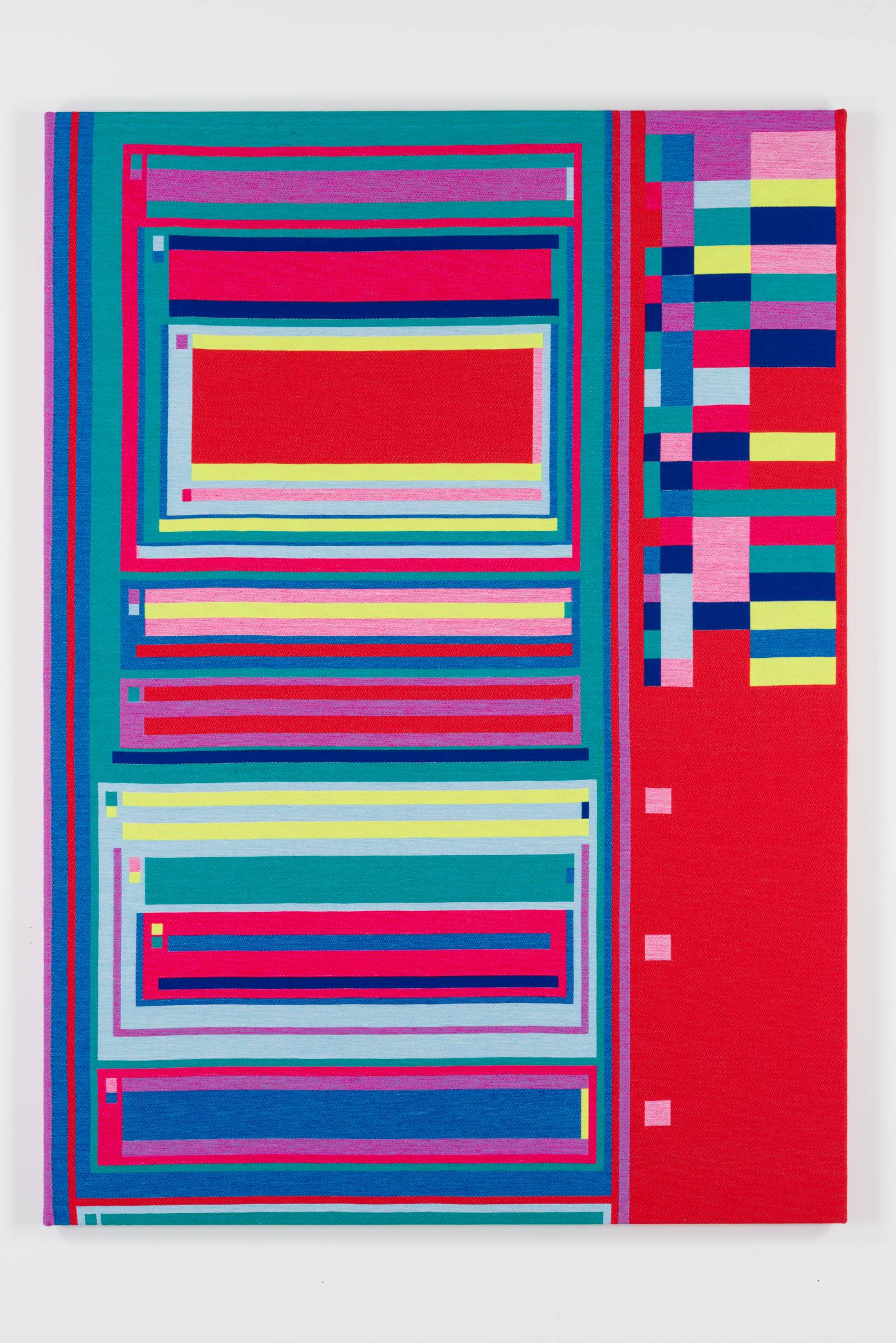
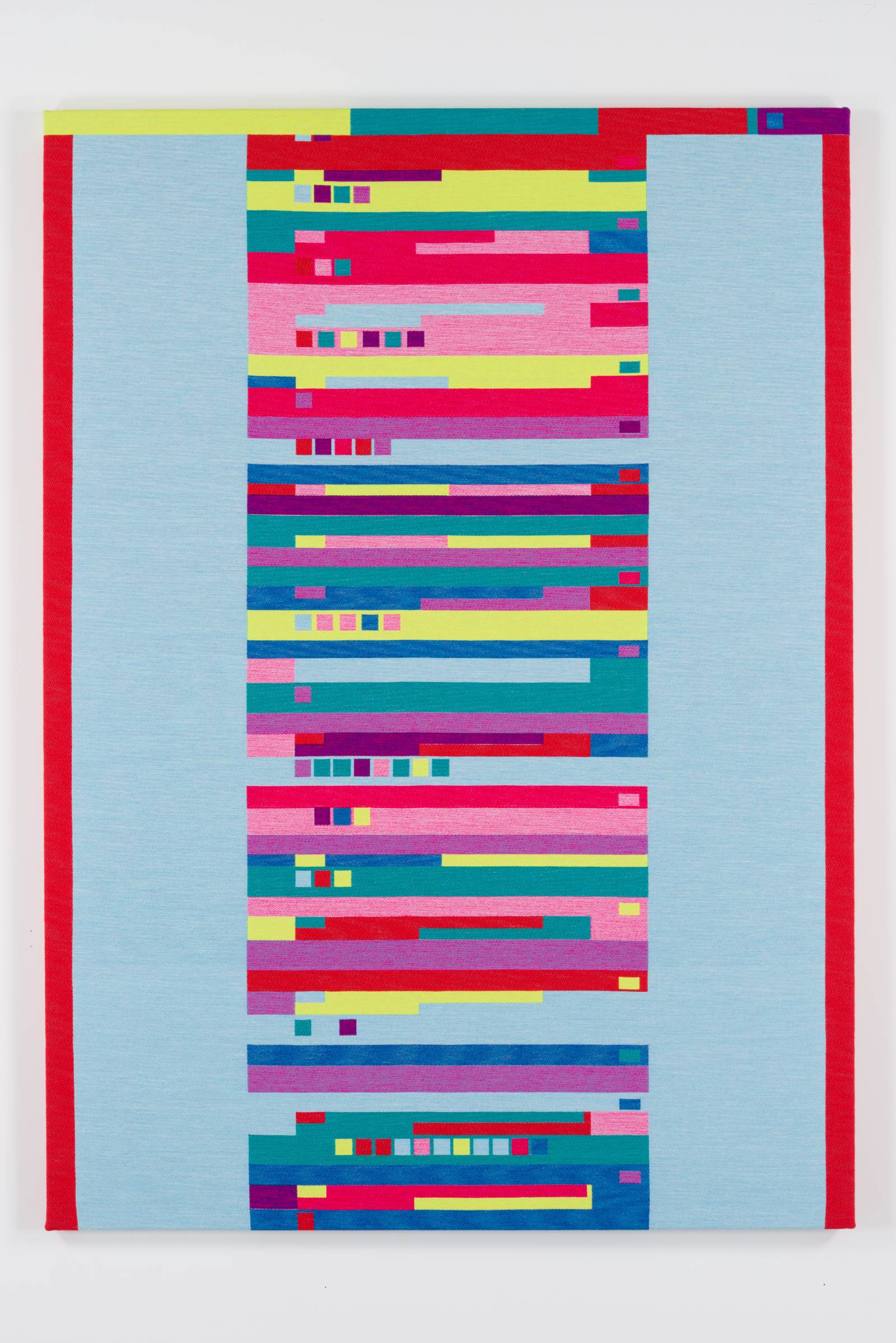
Of course, I am aware that Rozendaal also makes physical works. His lenticulars, which slice and rearrange the digital images that compose his websites, can be described as physical GIFs. Meanwhile, the tapestry series Abstract Browsing abstracts the user interfaces of familiar websites like Yahoo through the medium of jacquard weaving. Other works include those made with enamel and mirror. Nonetheless, consistent across them all is the process of outputting physical motifs taken from the structures of the web and UI, and for this, they never seemed to stray far from the identity of an “Internet artist.”
And yet—Details, the artist’s most recent show at Takuro Someya Contemporary Art, was a show of paintings. The works in the series Manual are all, as suggested by its title, created by Rozendaal’s own hand. His process is as follows. First, he meticulously selects his colors by mixing acrylic paints and making tests on paper. Then, using masking tape, he painstakingly maps out the section for a specific color onto the canvas. The paint is applied using a roller. When a section is dry, he rearranges the masking tape to mark the next section and lays down another color. The composition and colors are determined before his hands ever touch the canvas; in Rozendaal’s Manual series, the kind of tactile struggle with paint that we so often imagine of painters is nowhere to be found.
I was told that the exhibition title, Details, was a reference to the subtle tonal differences to which the artist was intensely attuned as he selected colors—but to me, it also seems to reflect his attitude toward the entire process of creating the Manual paintings. The ever-so-slight buildup of paint where one color field borders another speaks to the delicacy of his handiwork. The roller, chosen by Rozendaal after much experimentation with other tools, leaves behind a subtle unevenness that lends the surface an exquisite shimmer. What is depicted are spaces, scenes, and envelopes—the icon for email—yet the radical simplicity of the color compositions gives off a decisively abstract impression; as I look, not so much at the depicted objects but at the painting’s surface itself, I am quietly drawn in by the remarkable resonance between barely distinguishable colors. The paintings hold their own so firmly that, if I didn’t know Rozendaal, I’d believe them to be the work of an “up-and-coming painter.”
As I wrote in the beginning, I never imagined that Rozendaal would turn to paint and canvas. What could it mean? In Japan, for instance, there was Tadanori Yokoo, an artist who declared a “turn” from graphic design to painting. Was Rozendaal making a similar kind of pivot?
A bridge comes to mind in his haiku works. It would seem that the haiku works, begun in 2013, are also a far cry from Internet art. Yet Rozendaal was fascinated by the ability of this literary form to evoke rich imagery with just a few carefully chosen words. He began writing haiku in English and has since published two volumes. The haiku reminds him, he says, of code—short commands that perform complex functions. These haiku works have been exhibited in various spaces, including museums, as a kind of wall painting. The colors used in these instances are determined by Rozendaal from the paints of a specific paint maker; the proportions of the mural are also decided by the artist. In this process, I sense a resonance with that of the Manual series.
Looking back, I remember Rozendaal previously describing his website works as “moving paintings.” In other words, perhaps he’s been making paintings all along. Paintings, or something close to painting. That “something” follows certain rules, rules that Rozendaal has continually explored, governing the way colors, shapes, compositions, and motion can move people. Whether expressed through a screen, haiku, or canvas, this exploration has remained consistent. Yet that they reflect a sensibility nurtured by the Internet age is also evident. If the lenticular is a “physical GIF” and the haiku “literary code,” then perhaps his paintings are a kind of “slow algorithm.”
What makes Manual particularly compelling is how Rozendaal’s translation of his art into painting deepens its dialogue with the history of art. The artists of Abstract Expressionism, for instance, once sought to engage viewers’ emotions directly through color fields and scale, bypassing representation. This approach overlaps with that of Rozendaal, whose work evokes vibrant scenes through elements reduced to their barest. When these pursuits, previously carried out in the digital realm, are brought into the “stillness” of painting, their abstraction and simplicity are further heightened. In this sense, Manual can be seen as a kind of Abstract Expressionism re-emerging a century later, in the digital/Internet age.
When viewed individually, the clarity of composition and sensibility in color of Rozendaal’s paintings recall De Stijl, rooted in the artist’s Dutch heritage, while among the Abstract Expressionists, Sol LeWitt, the pioneer of instruction-based painting, comes to mind. There is also a dialogue with Agnes Martin, whose delicate marks and subtle colors create deeply meditative paintings, while the motif of the mail icon evokes the American flag paintings of Jasper Johns, not to mention the connection to Josef Albers’ study of the effects of color, and so on… I would love to hear a specialist in painting continue the list.
In this way, Rozendaal—both a descendant of this long lineage of painterly practice and an explorer of beauty in the digital age—continues the pursuit of fundamental artistic questions. I hope to continue witnessing the depths of art his wide-ranging practice opens up.
Translation by Eriko Ikeda Kay
< Back to Text Index -
On Rafaël Rozendaal’s Envelope Series
Yoh Shoji (Curator, Pola Museum of Art) 東海林洋(ポーラ美術館 学芸員)
Lining the gallery wall are several envelopes—or rather, tableaux in the shape of envelopes. They are a new series by Rafaël Rozendaal, an artist known primarily for works that make use of the Internet and coding. Their scale is far too large for actual envelopes; it would be more accurate to say that the form of the envelope has been stretched to the kind of dimensions commonly associated with paintings shown in galleries. Looking closely, I can make out subtle ridges of pigment that recall the origami-esque properties that are produced when folding a sheet of paper. Standing before these works, I find myself asking, anachronistic human that I am, whether I can truly consider this series to be painting. After all, Western painting since the Renaissance has largely been driven by the premise of representing three-dimensional space on a two-dimensional surface, assigning meaning to the figures and motifs placed within it. Even when Paul Cezanne sought to challenge such spatial integration, the assumption of depth nonetheless persisted in painting. Abstract Expressionism’s rejection of depth was a reaction against this tradition; by eliminating space and reference altogether, it strove to return painting to pure color and materiality and produce autonomous works. Rozendaal’s envelope series, however, does not recreate envelopes within a three-dimensional pictorial space; instead, it simply overlaps the shape of an envelope onto the rectangular display surface that is painting. Compared to his earlier digital works driven by dynamic algorithms or his lenticular works that change color depending on the viewer’s position, this series appears strikingly concrete and static.
If we were to seek a precedent in modern painting that addressed a similar question, we might recall the structure of the tableau-objet, which emerged from the collages introduced by Picasso and Braque in 1912 as a way to break out of the increasing complexity of Analytic Cubism. In defiance of the rule that painting must reproduce a subject through strokes of the brush, they began pasting materials like newspapers and fabric directly onto their surfaces. By allowing real objects to appear within what had previously functioned as a device for representing space, they acquired a new mode of expression based on the presentation of physical material.
Cubist collage was an attempt to superimpose “that which is represented (depiction)” and “that which is presented (physical material)” within a single field. This relationship can also be understood through the mathematical concept of isomorphism, which refers to systems that share a structural correspondence even when their constituent elements differ. Transposed into the context of art, isomorphism might describe a situation in which representation and physical presence—or material and meaning—coexist according to the same structural logic within a painting.
This visualization of the isomorphic relationship between representation and presence is what defines the tableau-objet. Originating in Cubism, this concept was carried forward by various strands of twentieth-century art: from the emphasis on materiality in the work of Jean Dubuffet and Jean Fautrier, to the conceptual orientation of the Supports/Surfaces movement, which approached painting as a social and institutional structure. Jasper Johns’s Flag (1954–55), which presents the American flag as a physical object on the rectangular canvas, and Robert Rauschenberg’s transformation of everyday objects into works of art by attaching them to a surface, likewise emerged from this lineage.
Rozendaal’s envelope paintings, however, do not merely reenact these twentieth-century forms. Whereas Picasso’s collages took as their motifs various objects atop the table, and Johns’s flag served as a social symbol of the nation-state, the envelope of Rozendaal’s choosing is a tool for enclosing and transmitting meaning and information; in other words, it lacks any specific object of reference. As a medium, a letter is reducible to neither meaning (signifié) nor form (signifiant), instead functioning as a physical vehicle for signs. Moreover, on the Internet, where Rozendaal has long operated, the envelope is also the icon for e-mail, a symbol of communication itself. By this point, painting no longer exists simply as an object to be viewed but rather establishes itself as a “site,” released from materiality, where information is exchanged. For this reason, Rozendaal’s envelope paintings are not so much an example of the tableau-objet as they are a kind of “tableau-interface,” mediating the structures of communication. While an envelope and a tableau are formally isomorphic in their shared rectangular shape, their functions in the fluctuating realm of digital communication differ—and it is this dissonance that opens onto a generative, transformative relationship that transcends fixed correspondence.
If painting is an artistic apparatus for representation, the envelope is an intermediary tool for communication. For a historical example of an artist who similarly made this structural correspondence the subject of his work, Cornelis Norbertus Gijsbrechts, active in seventeenth-century Flanders, comes to mind. A masterful painter of tromp-l’oeil, Gijsbrechts pushed illusion to its extreme, making two-dimensional paintings appear three-dimensional through meticulous detail and exquisite use of shadow. Yet his work did not simply culminate in realism. By deliberately inserting clues, or meta-elements, that reveal the image to be exactly that—a painting—he estranged the pictorial space itself. Among the motifs he repeatedly employed, he was particularly fond of the letter, a device that mediates between the painting’s inside and outside.
In The Self-Aware Image (1993), Victor Stoichita addresses the significance of the letter motif, writing that Gijsbrechts’s tromp-l’œil paintings were not merely feats of optical trickery but attempts to reproduce the institution of painting itself. Stoichita draws particular attention to motifs such as envelopes, scraps of paper, and wooden boards, all of which mimic the basic components of painting—surface, support, frame—to create a nested structure: a painting within a painting. Letters arriving from elsewhere or papers pinned to the wall register traces of communication with the outside world while also emphasizing the flatness of paper as a material object and alluding to the existence of an underlying support. Gijsbrechts’s painted letters thus function both as records of communication and as devices that reproduce the structure of painting, collapsing into a single artwork the mediation of meaning and the self-reflexive exposure of painting’s institutional conditions.
Rozendaal’s envelopes, however, are no longer physical letters. Like the digital icon for e-mail, they appear as symbolic images representing communication itself. The faint ridges and shadows that suggest folds hint at real envelopes while at the same time emphasizing the flatness characteristic of digital icons. Their shapes are stretched, even unnaturally so, to fit the conventions of painting and thereby acquire a painterly “legitimacy.” Once a small vessel for communication, the envelope is transformed within the exhibition space into a device that overlays two systems: the circulation of information and the exhibition of art.
Let us return, then, to my initial question: can these works be considered paintings? Rozendaal’s envelopes borrow the institutional framework of painting while making visible the act of communication. In other words, through the mediating structure of the tableau, they operate as interfaces that move between material painting and immaterial communication. The envelope is no longer a container for messages but rather a zone of interaction where information and sensation come and go. Just as the surface of traditional painting functioned as a representational apparatus that both separated and connected reality and illusion, Rozendaal’s envelope paintings, with their postal and electronic ambivalence, establish a site of relation: an empty vehicle. In doing so, they quietly transcend the tableau-objet to become a tableau-interface and, in the process, update the very definition of painting.
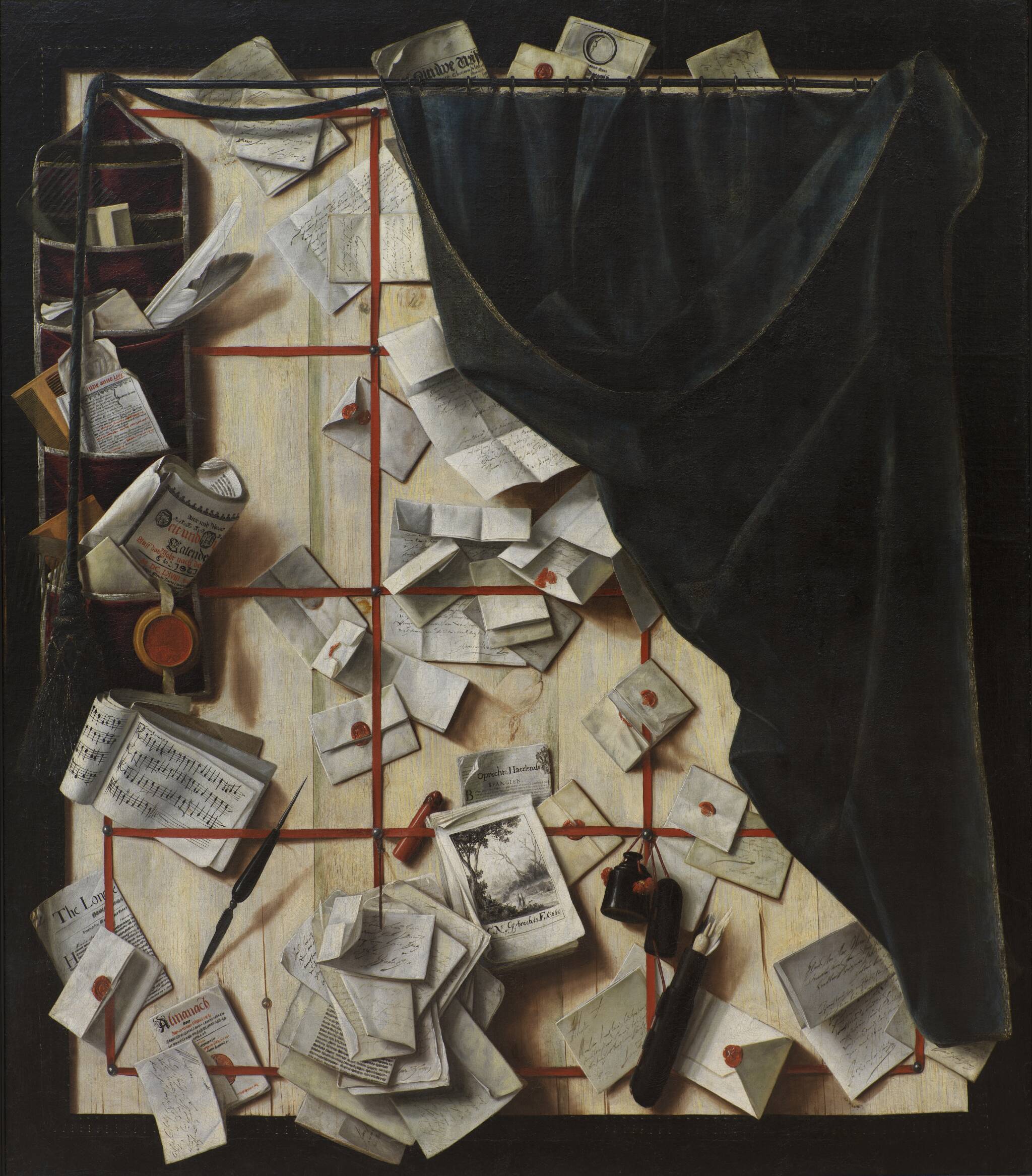
Cornelis Norbertus Gijsbrechts, Tromp l’oeil. Board Partition with Letter Rack and Music Book, 1668, National Gallery of Denmark (Statens Museum for Kunst), https://open.smk.dk/en/artwork/image/KMS3059, CC0
Translation by Eriko Ikeda Kay
< Back to Text Index
Rafaël Rozendaal: "MODERN Times in Paris 1925 - Art and Design in the Machine-age" (POLA Museum of Art)
We are pleased to announce that Rafaël Rozendaal will join the exhibition “MODERN Times in Paris 1925 – Art and Design in the Machine-age” at the POLA Museum of Art. The biggest lenticular works ever made by Rafaël Rozendaal will be shown at the finale of the exhibition. We hope you will enjoy this opportunity to view Rozendaal’s works!
——————————— “MODERN Times in Paris 1925 – Art and Design in the Machine-age”
In the 1920s, Paris underwent rapid industrialization in an effort to reconstruct the French capital in the wake of the First World War, ushering in a flourishing and dynamic era known as the Machine Age. This exhibition examines various aspects of the relationship between machines and people in the 1920s and ’30s with a focus on Paris as well as other parts of Europe, the U.S., and Japan. The International Exhibition of Modern Decorative and Industrial Arts (the Art Deco Exhibition), a world’s fair held in Paris in 1925, was an important turning point in changing attitudes, as it heralded Art Deco, a geometric style inspired by machines. After the Great Kanto Earthquake, which occurred in 1923, Japan underwent rapid modernization. In the brief period of prosperity between the two world wars, ideas about machines and rationality changed drastically.
With great technological advances such as computers, the Internet, and AI, which promises to transform our lives even further, this is perhaps a good time to revisit the art and design of 100 years ago and reconsider the connection between machines and humans.
Dates: Sat. December 16, 2023 − Sun. May 19, 2024 Venue: POLA Museum of Art, Gallery 1 and 2 (Map) |

Rafaël Rozendaal: "MODERN Times in Paris 1925 - Art and Design in the Machine-age" (POLA Museum of Art)
We are pleased to announce that Rafaël Rozendaal will join the exhibition “MODERN Times in Paris 1925 – Art and Design in the Machine-age” at the POLA Museum of Art. The biggest lenticular works ever made by Rafaël Rozendaal will be shown at the finale of the exhibition.
We hope you will enjoy this opportunity to view Rozendaal’s works!
———————————
“MODERN Times in Paris 1925 – Art and Design in the Machine-age”
In the 1920s, Paris underwent rapid industrialization in an effort to reconstruct the French capital in the wake of the First World War, ushering in a flourishing and dynamic era known as the Machine Age. This exhibition examines various aspects of the relationship between machines and people in the 1920s and ’30s with a focus on Paris as well as other parts of Europe, the U.S., and Japan. The International Exhibition of Modern Decorative and Industrial Arts (the Art Deco Exhibition), a world’s fair held in Paris in 1925, was an important turning point in changing attitudes, as it heralded Art Deco, a geometric style inspired by machines. After the Great Kanto Earthquake, which occurred in 1923, Japan underwent rapid modernization. In the brief period of prosperity between the two world wars, ideas about machines and rationality changed drastically.
With great technological advances such as computers, the Internet, and AI, which promises to transform our lives even further, this is perhaps a good time to revisit the art and design of 100 years ago and reconsider the connection between machines and humans.
Dates: Sat. December 16, 2023 − Sun. May 19, 2024
Venue: POLA Museum of Art, Gallery 1 and 2 (Map)