

Kaai Tsuji | A Seed of Form
13 June - 25 July, 2026
Venue : Takuro Someya Contemporary Art
Takuro Someya Contemporary Art is pleased to present A Seed of Form, a solo exhibition by Kaai Tsuji, on view from Saturday, June 13 through Saturday, July 25, 2026.
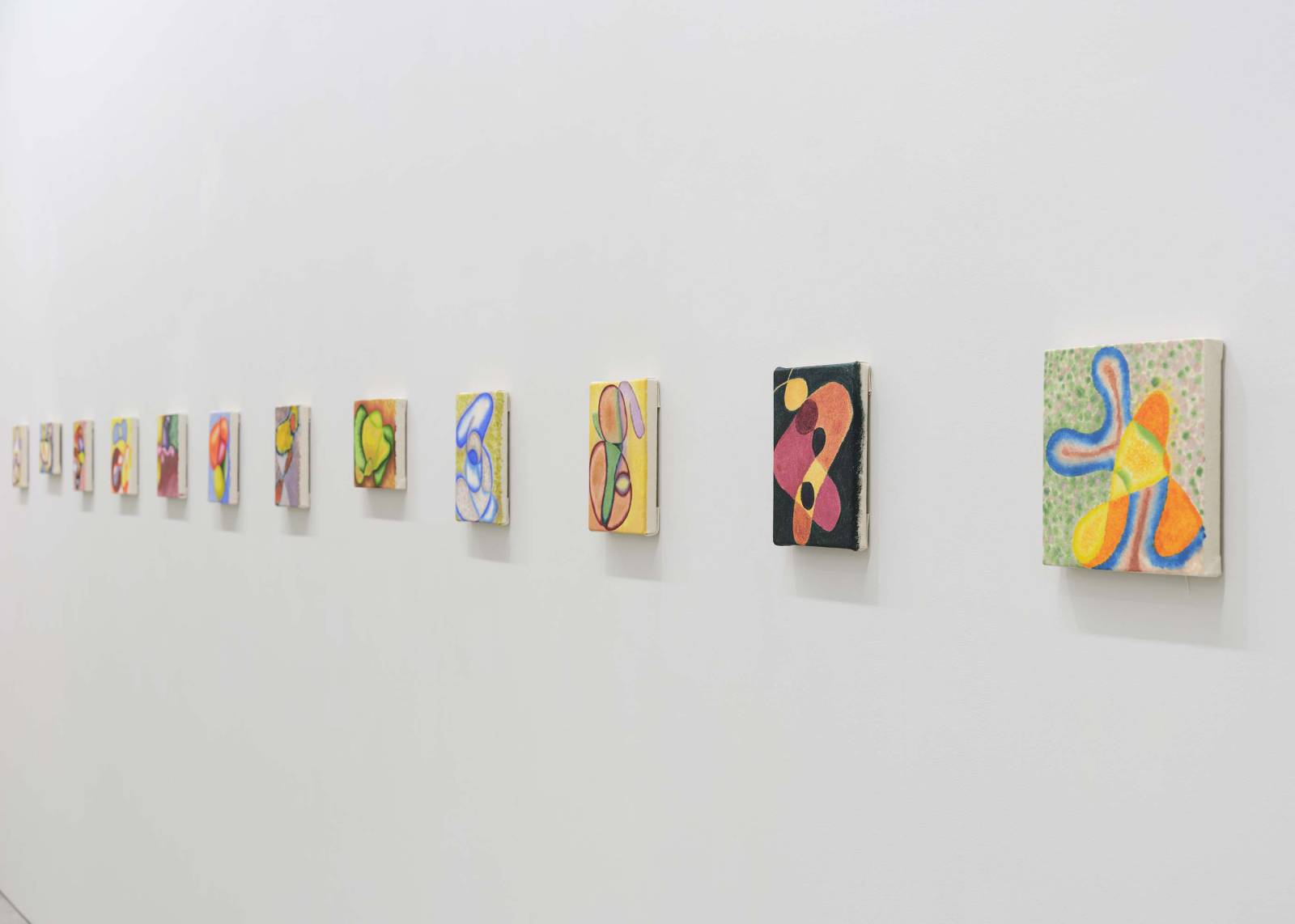
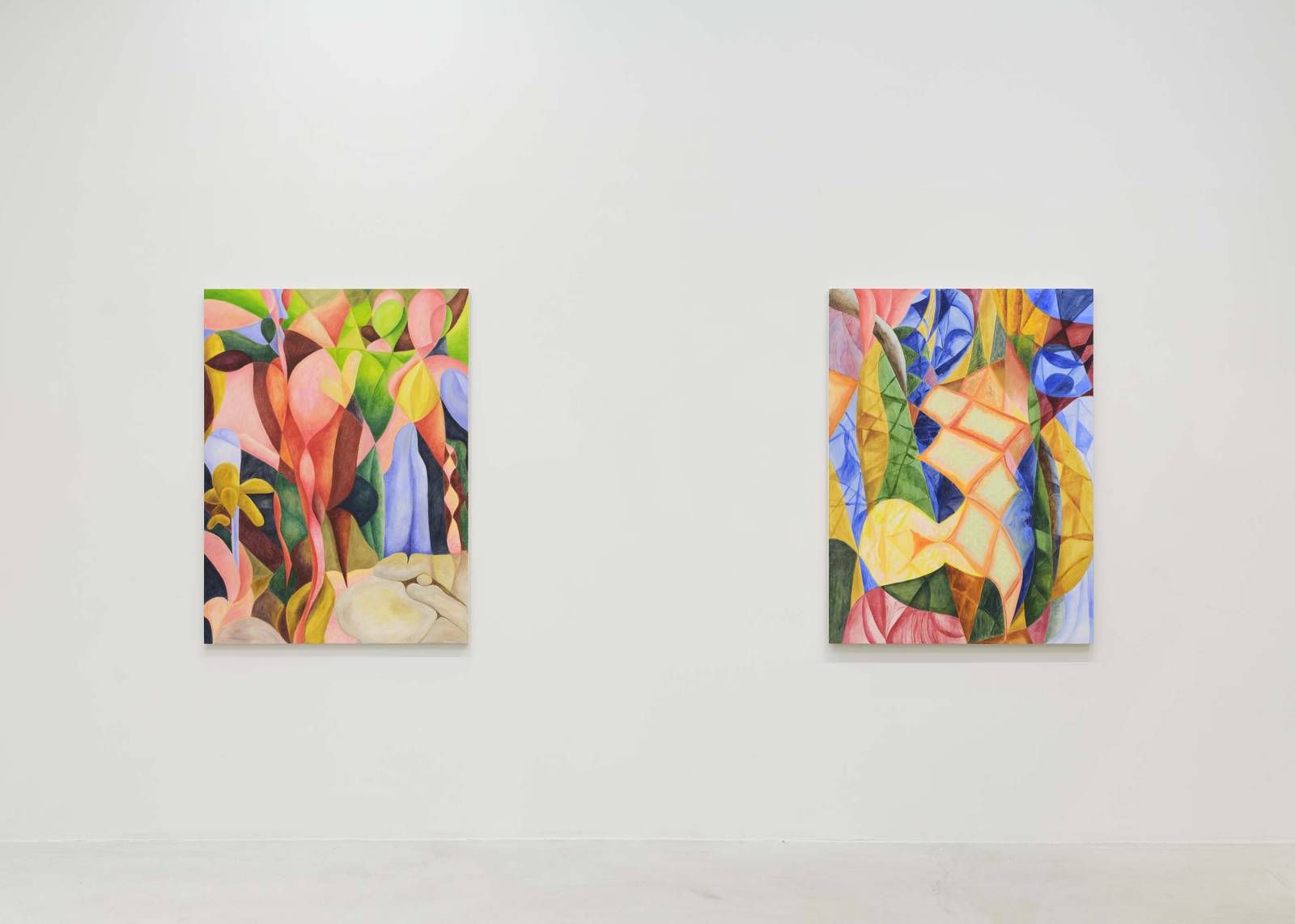
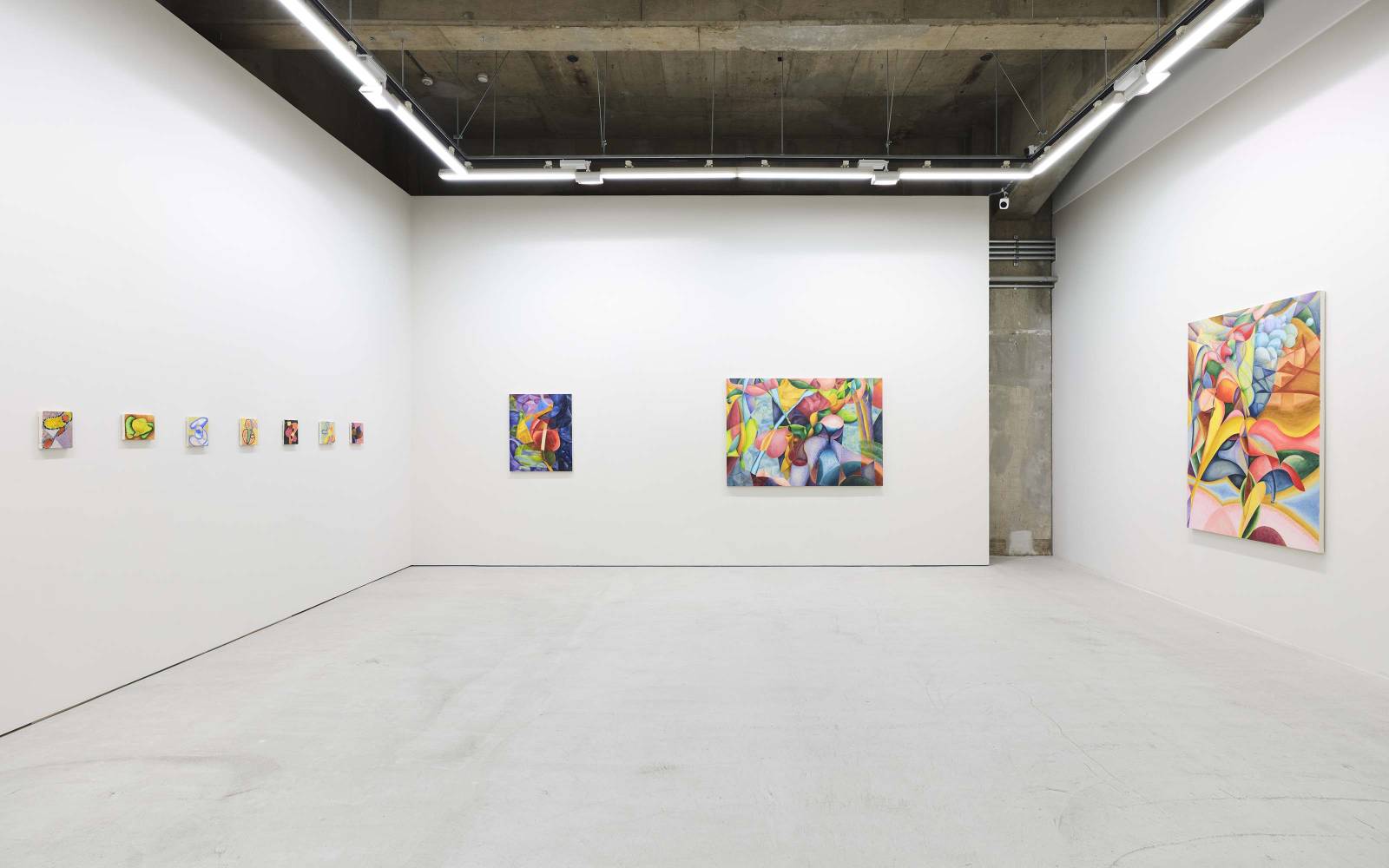
Marking Tsuji’s first exhibition with the gallery, the presentation will feature approximately twenty new paintings in a range of scales, including several large-scale works created specifically for the exhibition.
The fabric of our everyday landscape is woven not only from visible contours and colors, but from elements that elude direct perception: the passage of time, shifting atmospheres, subterranean forces, microorganisms, or oxygen drifting from a distant ocean. By observing, remembering, sensing, and imagining these invisible concatenations, Tsuji has continuously used painting and drawing to interrogate “what we see, how we see, and why we see it as we do.”
The exhibition title, A Seed of Form or Katachigusa (かたちぐさ) in Japanese, is a neologism coined by the artist. Written in ideographs as “形種,” the term carries the meaning of “that from which form originates.” The word kusa (種)—found in Japanese idiomatic expressions like katarigusa (a subject of talk) or waraigusa (a source of laughter)—denotes the matrix, cause, or catalyst from which things arise. Rendered here in the Japanese hiragana script, the word shifts away from fixed concepts, pointing instead to the tremors and portents before form coalesces, or to the currents and connections latent within what is visible. In recent years, Tsuji has approached landscape as a field through which temporal scales and subtle motions, otherwise beyond sight, begin to come into perception. She draws inspiration, for instance, from the ocean as an engine that converts sunlight into motion, life, and complexity*; from natural cues such as clouds, wind, sun, waves, plants, and topography; and from a navigational structure such as the Marshallese ‘stick chart,’ through which currents, swells, and islands are read not as fixed coordinates, but as embodied knowledge. These references suggest that viewing a landscape goes beyond mere optical recognition, becoming a means of exploring our relation to the world we inhabit.
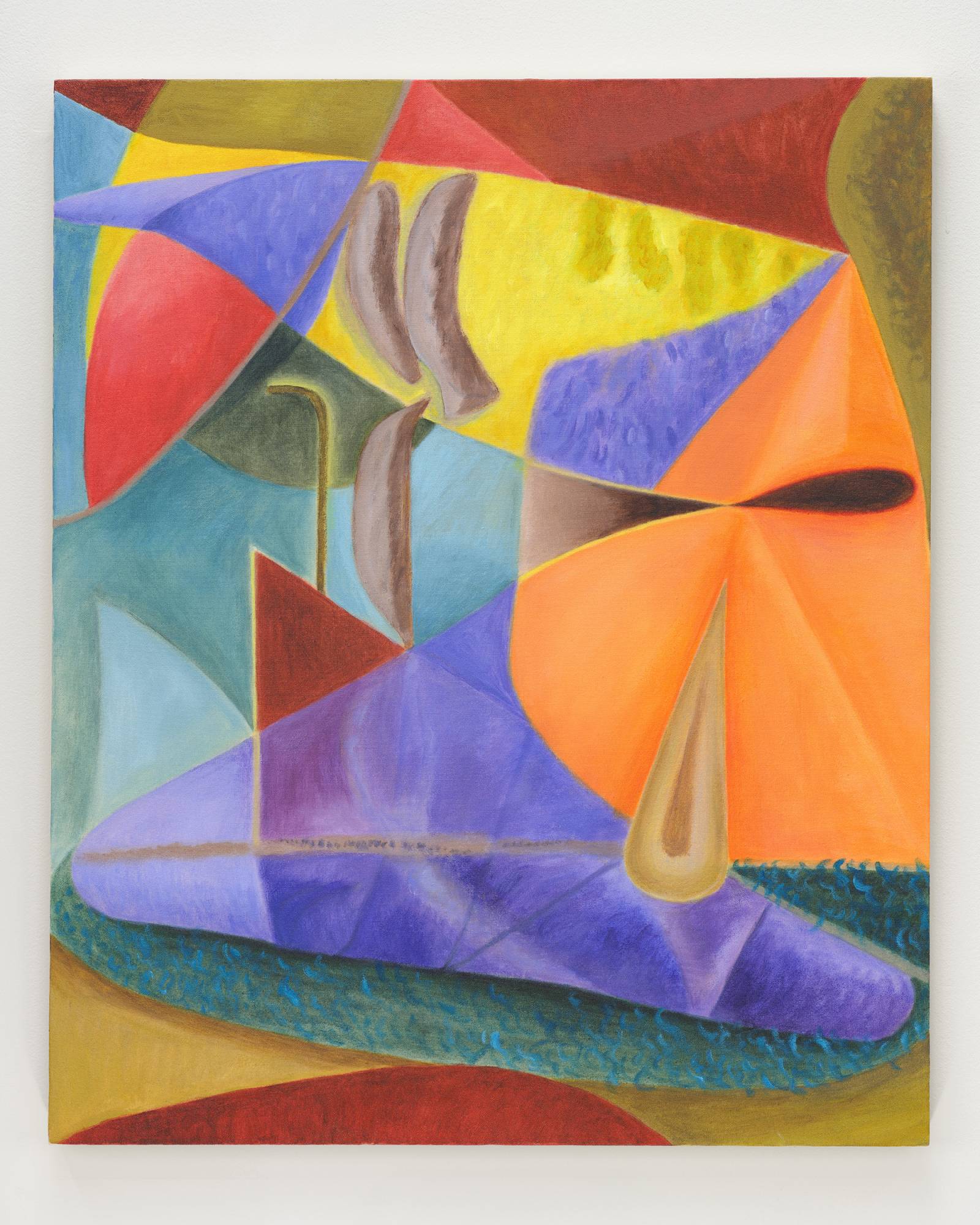
In the work on view, A Seed of Form No. 3 (2026), bright planes of color recall ocean surfaces or skies catching the light, while deep expanses of cool tones, swelling oranges imbued with heat, and micro-textures reminiscent of rustling earth or water edges are held in tension between geometric divisions and organic curves. A sharp angle emerging from the recesses of the pictorial field suggests terrain, a sail, a wave, a reflection of light, or the trajectory of a gaze, while soft vertical lines and a dripping, teardrop form near the center of the composition evoke a physical, tactile sensation. The canvas retains pale acrylic gradations, bleeds, abrasions, and variations in brushstroke density, rendering color as something that carries temperature, humidity, and pressure. A broad band crossing the canvas like a pathway of light, depths suggestive of shadows or submarine strata, and expansions radiating heat or sunlight charge the composition with layered presences. At the same time, the fine, greenish brushwork at the bottom of the canvas evokes moss, grass, seaweed, frothing waves, or an accumulation of microscopic life, folding a macroscopic landscape together with microscopic movement within a single pictorial field.
In Tsuji’s paintings, fragments of landscape are transposed, within the viewer’s gaze, into bodily sensation; map-like lines become vectors of light and water; and chromatic fields dissolve into unnamed presences. The motifs never entirely lose their referential hold, yet neither do they settle into recognisable forms. These transformations extend the question of “seeing”—as repeatedly interrogated by modern painting—toward environmental sensitivity and toward the ways in which we enter into relation with the world. What manifests is a moment in which the currents, connections, and entanglements hidden inside the visible crystallize into form, only to unfurl once more. By attending to the latent signs of becoming within painting, the exhibition suggests that vision is a site where our relations with the world are continually rewoven.
* Helen Czerski, Burū Mashīn: Umi to iu Enjin to Jinruishi [BLUE MACHINE: How the Ocean Shapes Our World], trans. Makoto Hayashi (Tokyo: A&F Corporation, 2024), 16.
Takuro Someya Contemporary Art
Kaai Tsuji
Born in Nagasaki in 1982, Kaai Tsuji lives and works in Tokyo. She graduated from the Department of Design, Faculty of Arts, Tokyo Polytechnic University in 2006, and studied at Yotsuya Art Studium from 2009 to 2012. Drawing on landscape, bodily sensation, and acts of observation, Tsuji creates paintings that explore seeing as a site where one’s relation to the world is continually unsettled and reconfigured. Her major solo exhibitions include Looking for signs (2025, twililight, Tokyo), Twisting and rolling of space (2023, twililight, Tokyo), and fusi-musu ana-musu (2019, Studio 35 minutes, Tokyo). Selected group exhibitions include Cast off skin (OFF) and put on something (ON) curated by Takayuki Toshima (2021, TALION GALLERY, Tokyo) and I Say Yesterday, You Hear Tomorrow. Visions from Japan (2018, GALLERIE DELLE PRIGIONI, Italy). Other activities include participation in SN #01, a zine released by UNDERCOVER in 2020.
Kaai Tsuji | A Seed of Form
Exhibition Period: Saturday, June 13, 2026 – Saturday, July 25, 2026
Reception: June 13, 3:00 p.m. ‒ 6:00 p.m. *Artist will be in attendance
Open: Tue-Sat, 11:00 a.m. – 6:00 p.m.
Closed: Sun, Mon and National Holidays
Takuro Someya Contemporary Art
TSCA 3F TERRADA Art Complex I 1-33-10 Higashi-Shinagawa Shinagawa-ku Tokyo 140-0002 Japan
tel 03-6712-9887 |fax 03-4578-0318 |e-mail gallery@tsca.jp